
Living like a Roman
43 - 410
- Born on 13th March 1770, Daniel Lambert weighed a massive 53 stone when he died on 21st June 1809.
- Daniel Lambert was the heaviest man in England
- Hewas regarded as a national celebrity and someone of whom Leicester was extremely proud.
Story
Born on 13th March 1770, Daniel Lambert weighed a massive 53 stone when he died on 21st June 1809. Although by the time of his death, at the age of 39, Daniel Lambert was the heaviest man in England, he was regarded as a national celebrity and someone of whom Leicester was extremely proud.
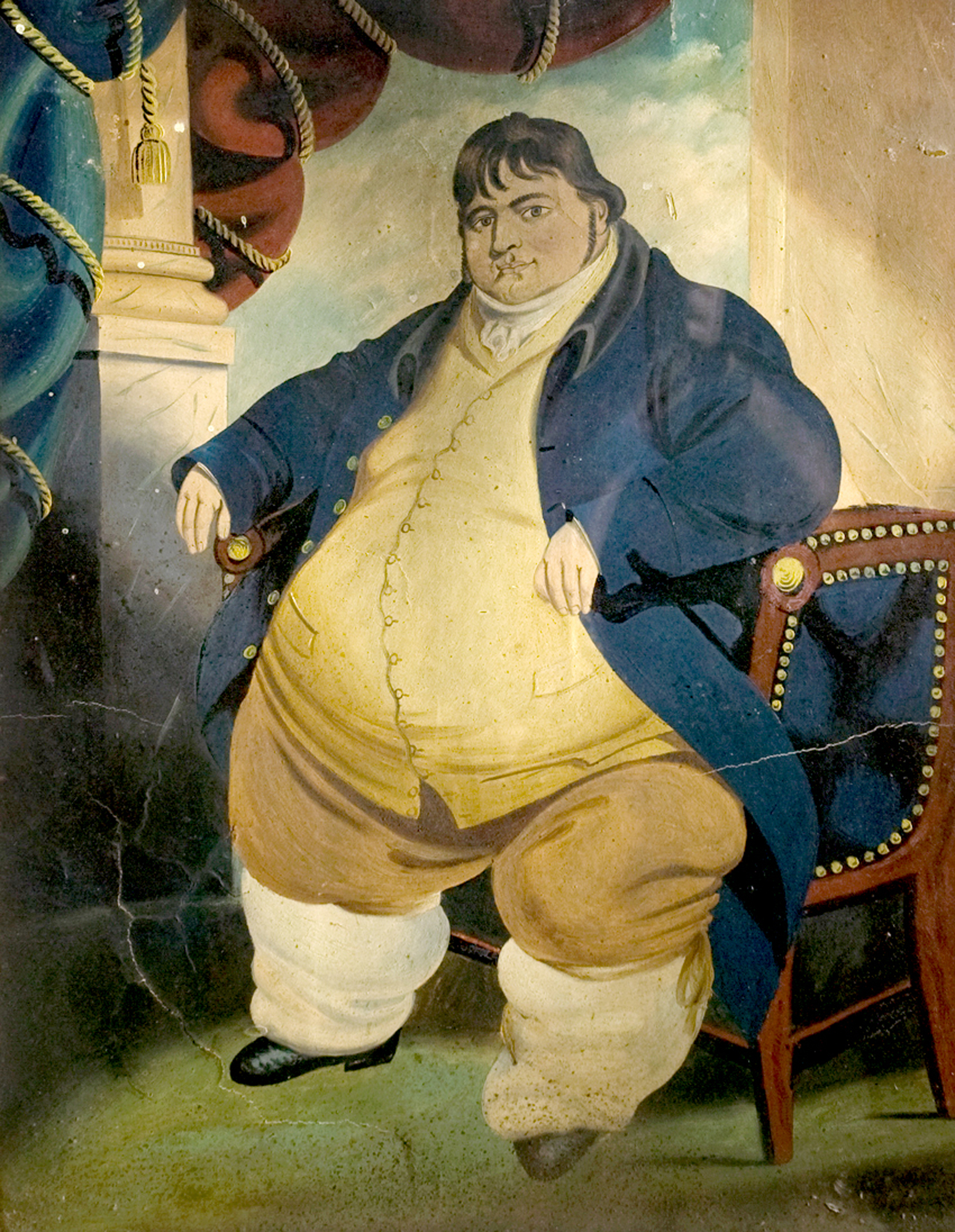
Daniel Lambert
As a young man Daniel was described as fit and athletic and taught many of the local Leicester children to swim in the River Soar. He had a reputation as an excellent field sportsman and as a breeder of sporting dogs which were much in demand locally. Daniel stood 5 feet 11 inches tall and was of normal proportions until he reached his teens. However, by 1793, only four years after he took over from his father as keeper of the local Bridewell, his weight had increased to 32 stone.
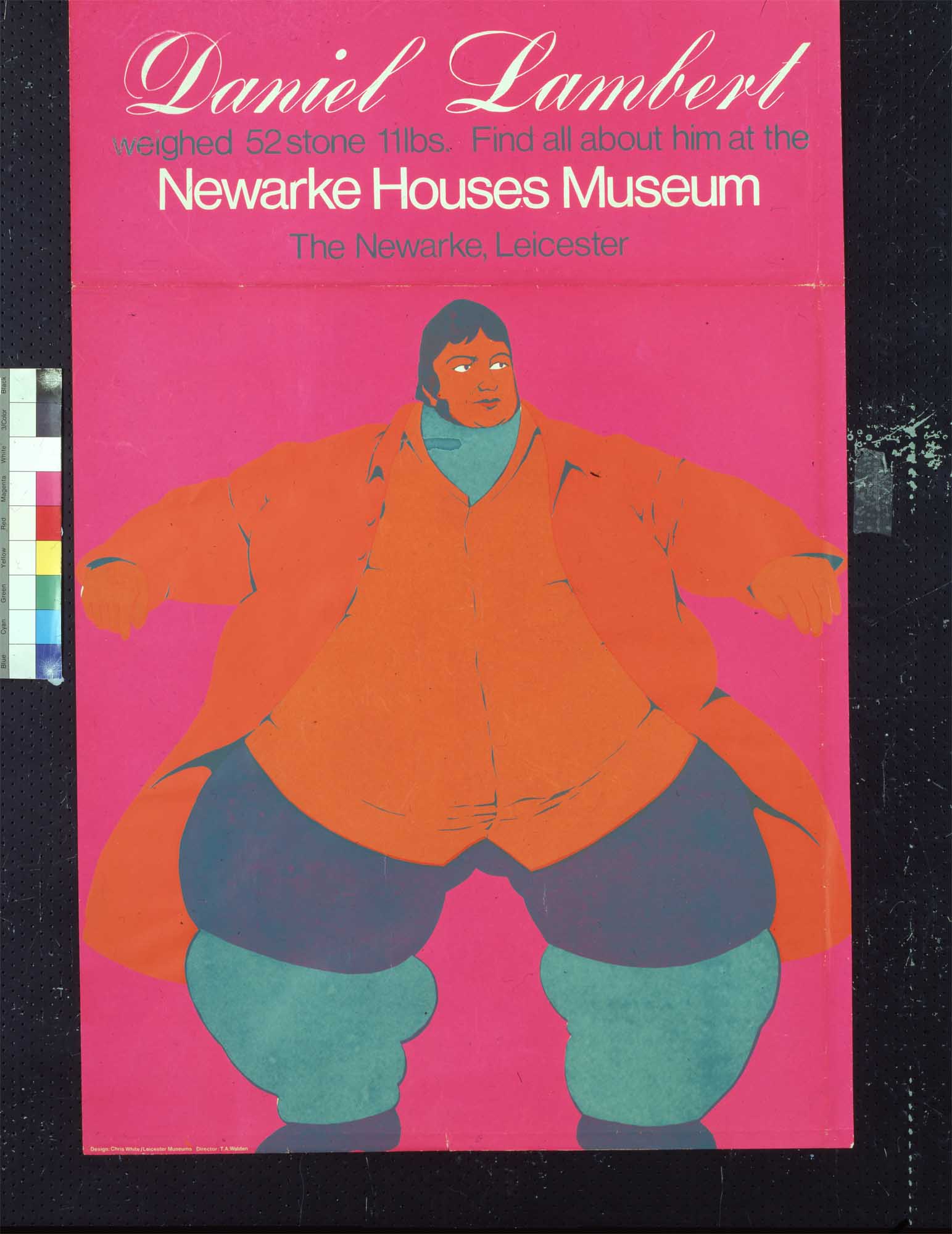
Flyer for the exposition in the Newarke museum
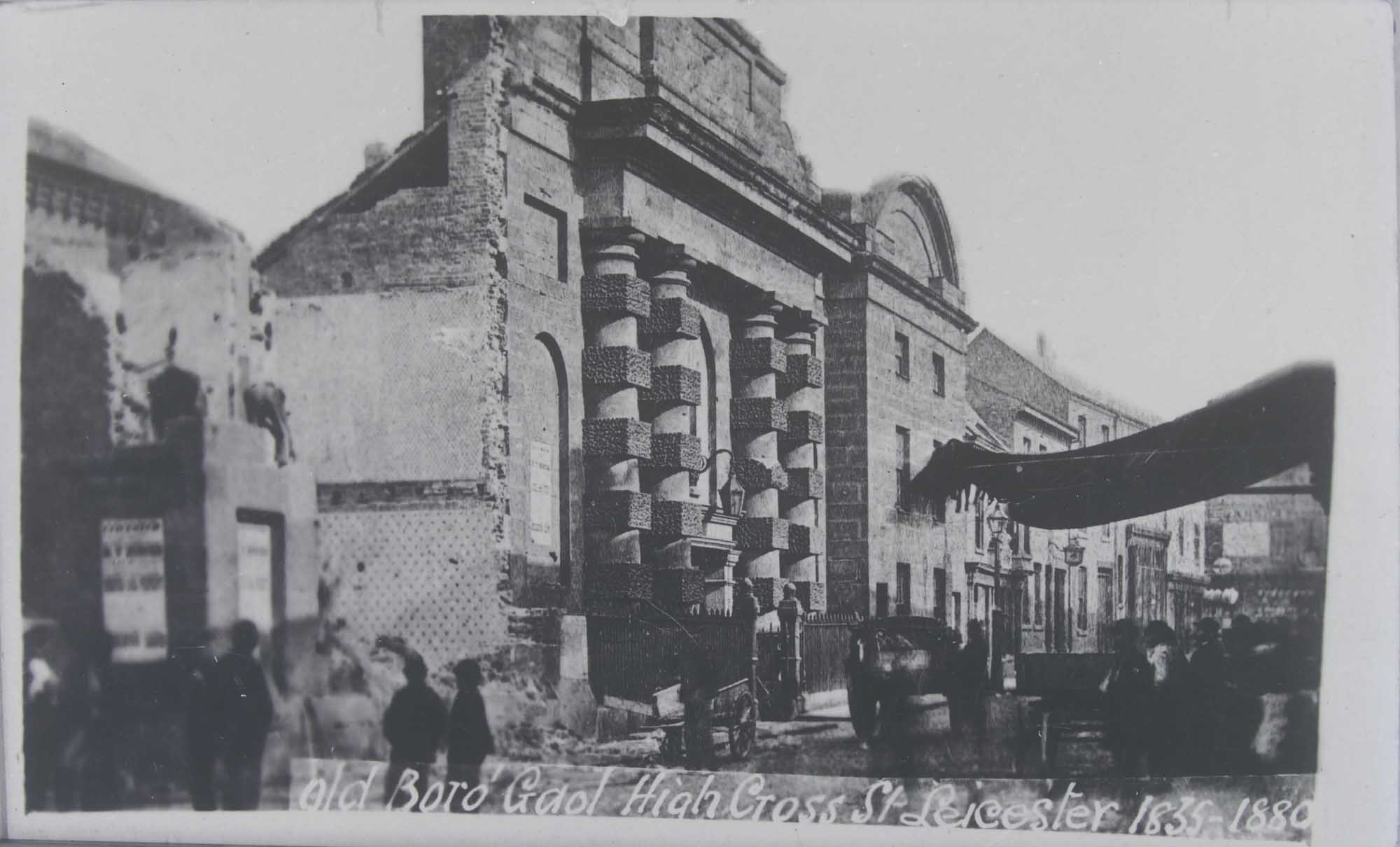
Daniel's father, John Lambert, was the keeper of the County Bridewell or House of Correction in Highcross Street, Leicester. Bridewells were introduced in 1576 and were modelled on London’s Bridewell Prison. They were run by local magistrates and by the time John and Daniel Lambert were employed they had become prisons for minor offenders. Lists of prisoners showing Daniel Lambert's signature can still be viewed at the Record Office for Leicestershire, Leicester & Rutland. He was well thought of by the magistrates and viewed as a kindly and benevolent man by the prisoners in his charge. However when the County Bridewell was amalgamated with the County prison in 1804 and his services were no longer required he was pensioned off.
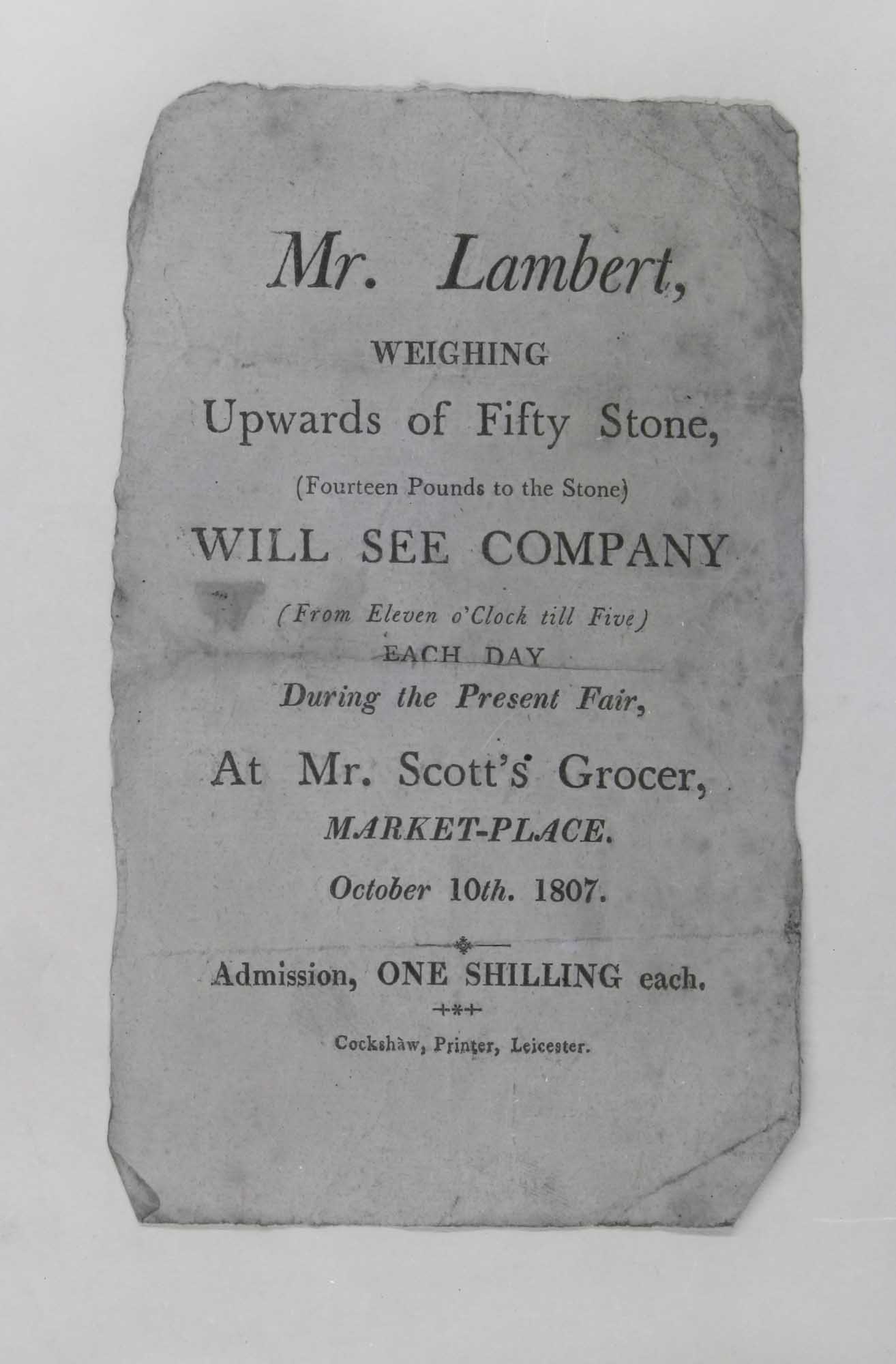
In March 1806 the Stamford Mercury reported that Daniel Lambert was having a carriage specially built "to convey himself to London where he means to exhibit himself as a natural curiosity". By now his weight had ballooned to 50 stone and it is quite likely that his pension from the County Bridewell was inadequate to meet his living costs; the special financial needs of someone of his size must have included many extra costs including specially-made clothes. Daniel did not enjoy his peep-show existence and he returned to Leicester from London just a few months later. However he went on tour again to several cities and also returned for further visits to London
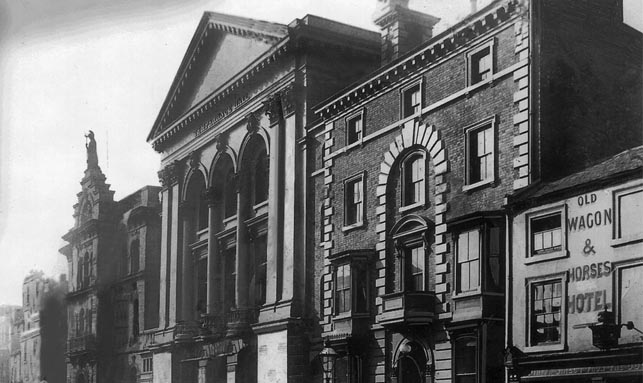
In June 1809 Daniel Lambert arrived in Stamford for the races. He had just completed a tour that included Cambridge and Huntingdon and was lodging at the Waggon and Horses Inn when died suddenly at 9 o'clock on Wednesday 21st June. He is buried in St Martin’s Church in Stamford and the inscription on his tomb reads
In Remembrance of that prodigy in nature Daniel Lambert a native of Leicester who was possessed of an exalted and convivial mind and, in personal greatness had no competitor: He measured three feet one Inch round the leg and weighed fifty two stone eleven pounds. He departed this life on the 21st of June 1809 aged 39 years. As a testimony of Respect this Stone is erected by his Friends in Leicester
You can find out more about Daniel Lambert by visiting the Newarke Houses Museum where you can see items of Daniel’s clothing, furniture and some of his personal items.
Visitor information
Gallery
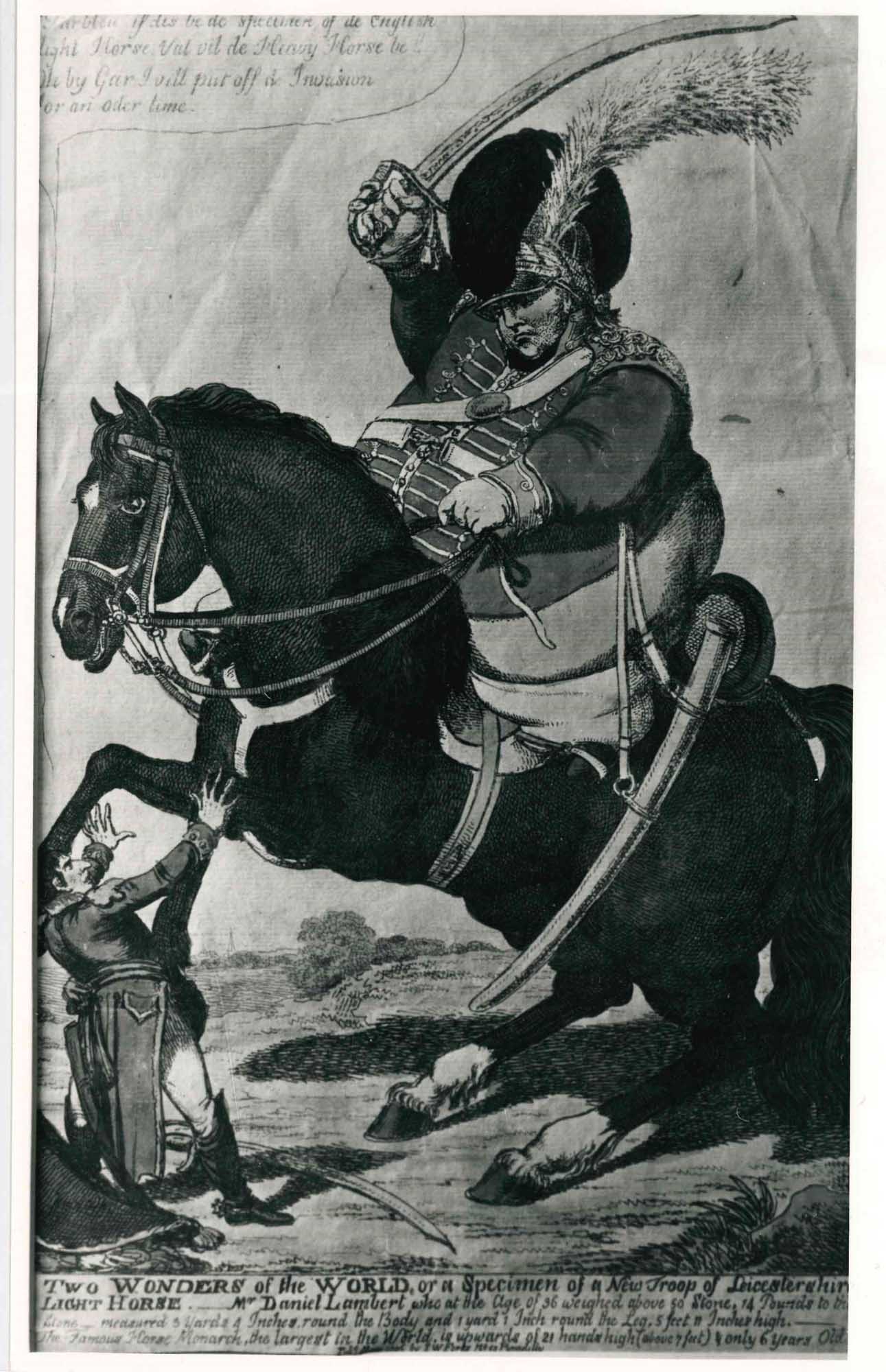
Cartoon on a horse
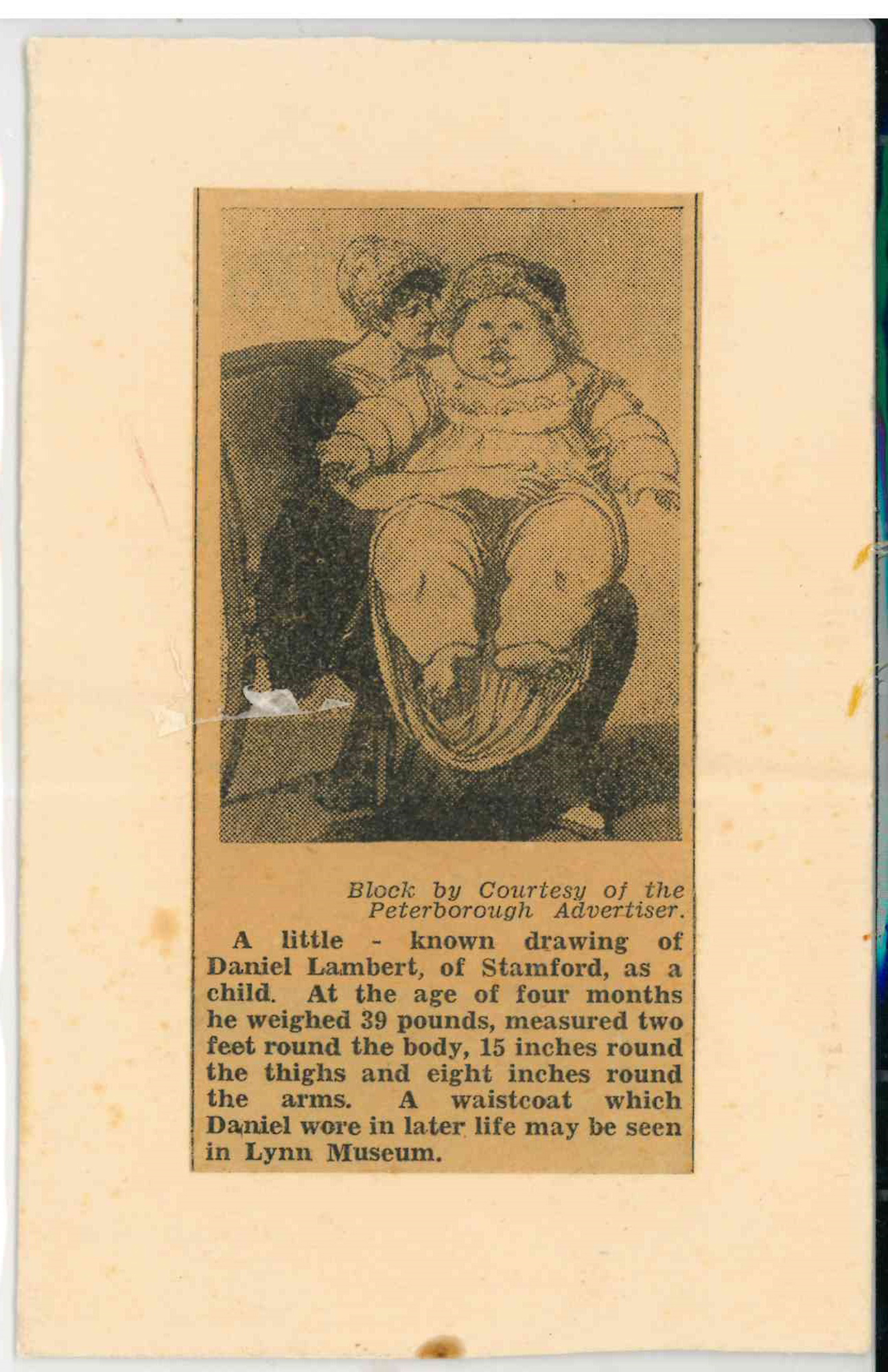
Cartoon Baby
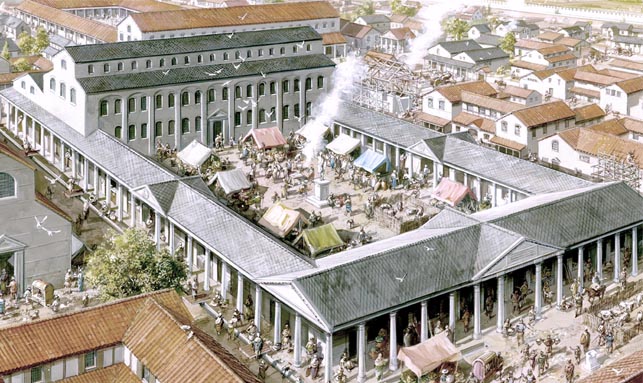
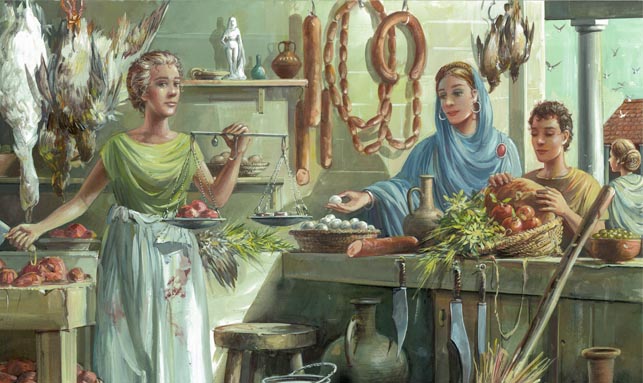
Roman Leicester
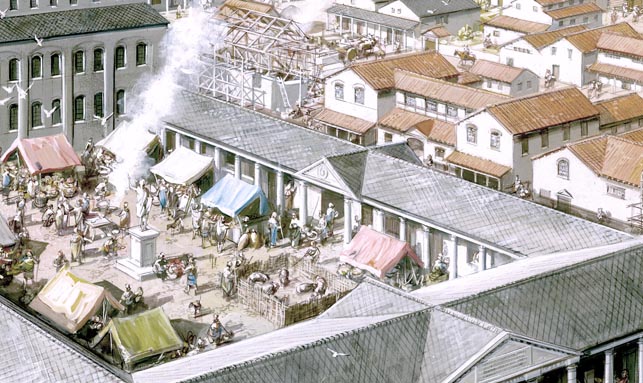
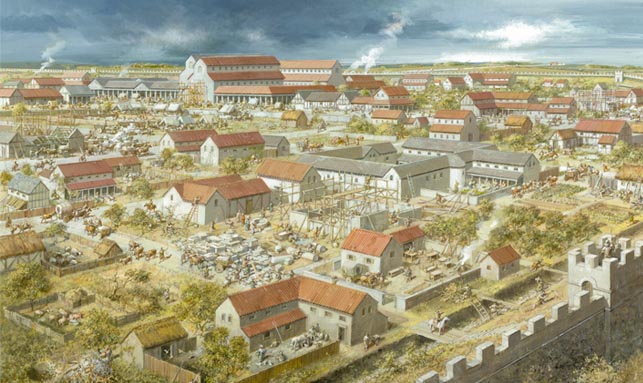
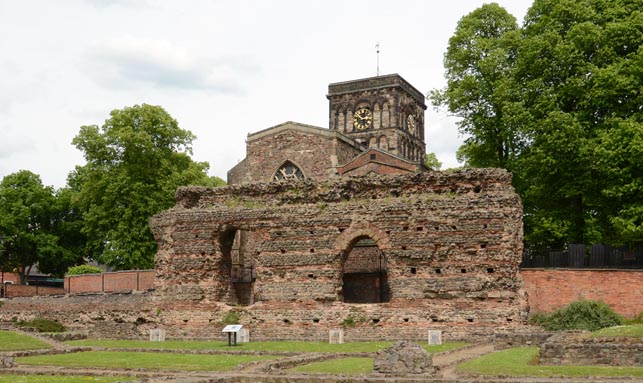
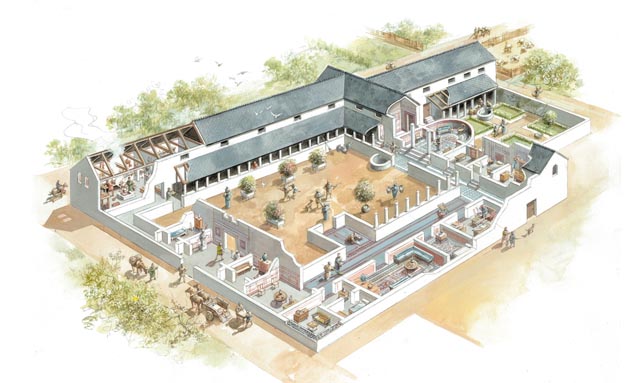
(47- 500) A military fort was erected, attracting traders and a growing civilian community to Leicester (known as Ratae Corieltauvorum to the Romans). The town steadily grew throughout the reign of the Romans.
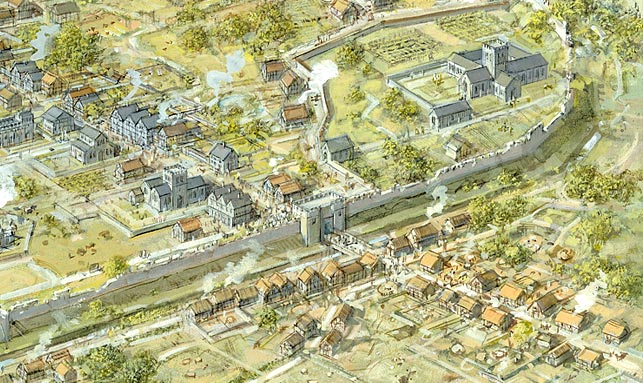
Medieval Leicester
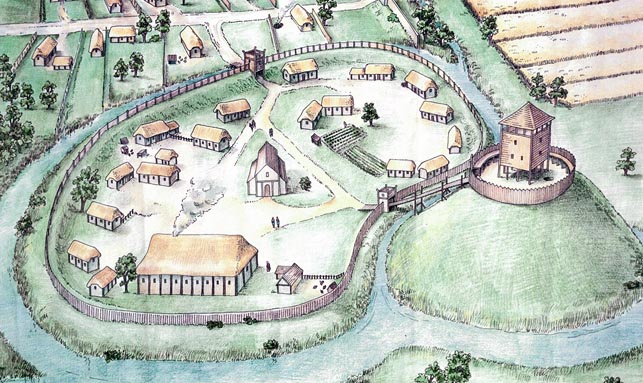
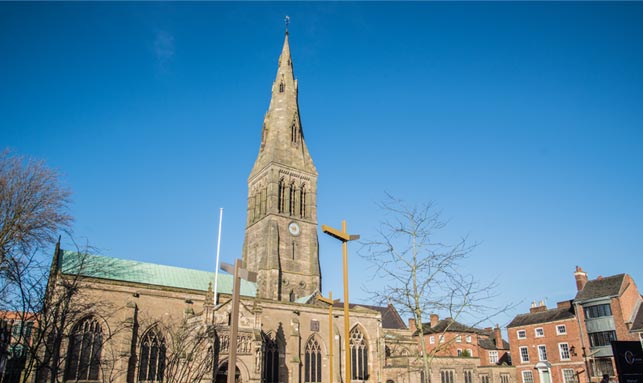
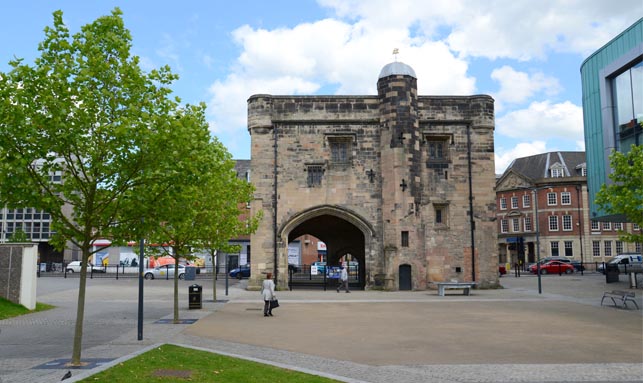
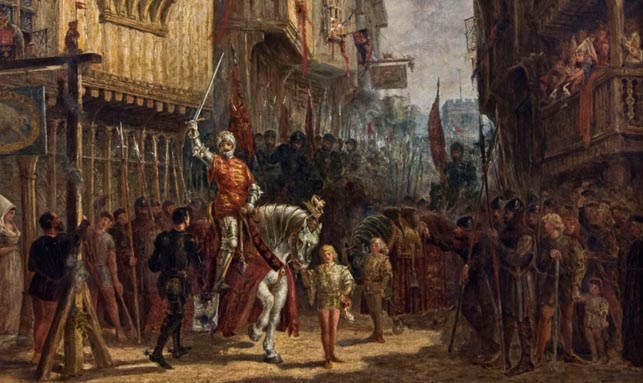
(500 – 1500) The early years of this period was one of unrest with Saxon, Danes and Norman invaders having their influences over the town. Later, of course, came Richard III and the final battle of the Wars of the Roses was fought on Leicester’s doorstep.
-
The Castle Motte1068

-
Leicester Cathedral1086
-
St Mary de Castro1107
-
Leicester Abbey1138
-
Leicester Castle1150
-
Grey Friars1231
-
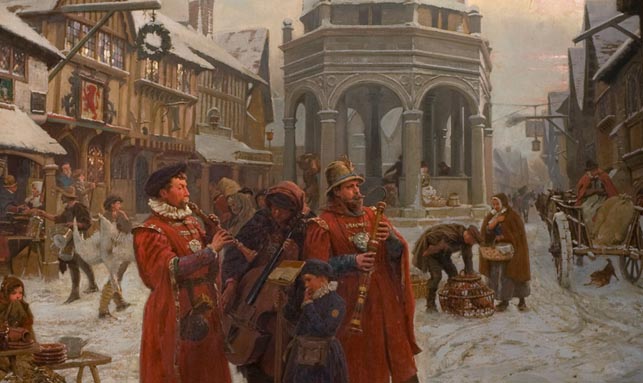
The Streets of Medieval Leicester1265
-
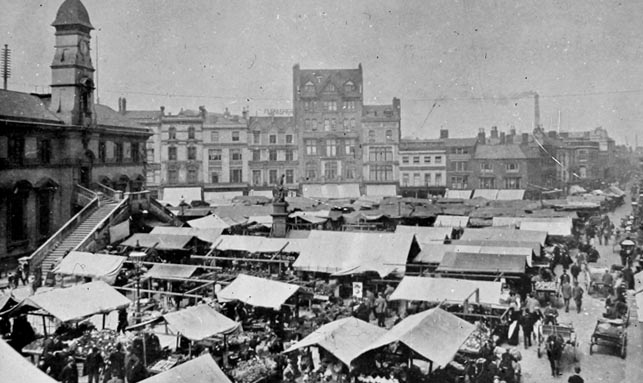
Leicester Market1298
-
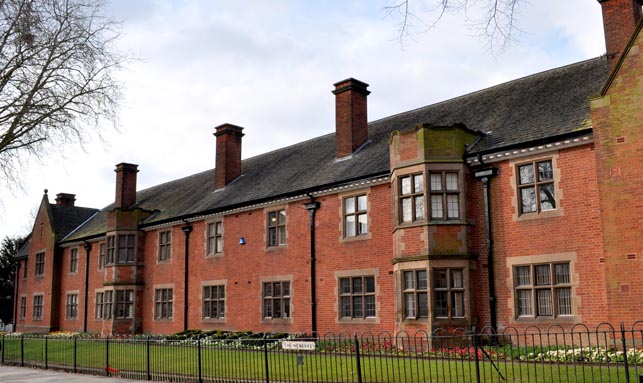
Trinity Hospital and Chapel1330
-
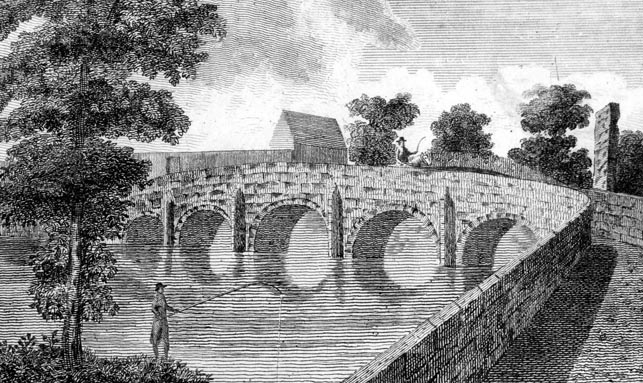
Bow Bridgecirca 1350
-
Church of the Annunciation1353
-
John O’Gaunt’s Cellar1361
-
St John's Stone1381
-
Leicester Guildhall1390
-
The Magazine1400
-
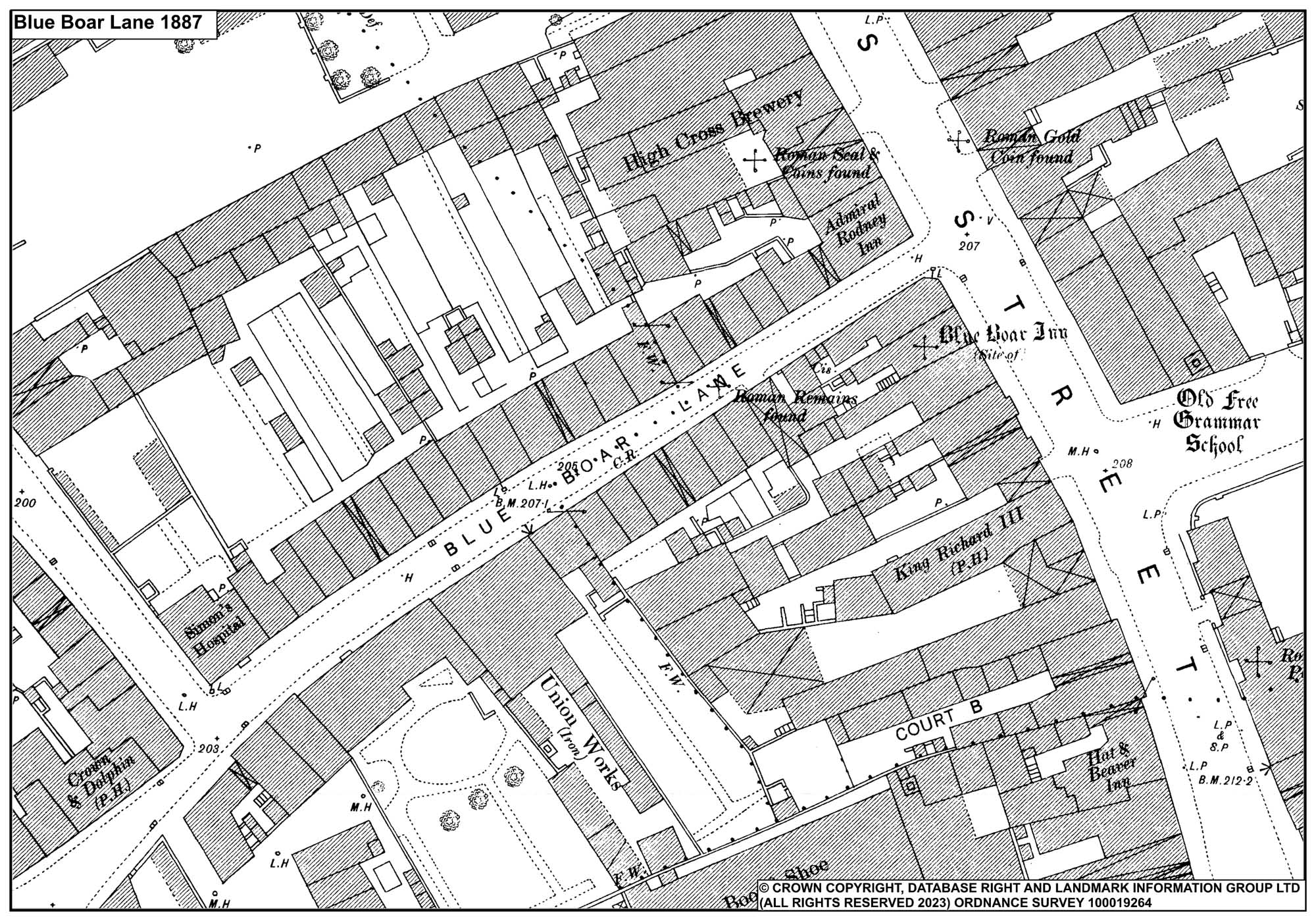
The Blue Boar Inn1400
-
The High Cross1577
Tudor & Stuart Leicester
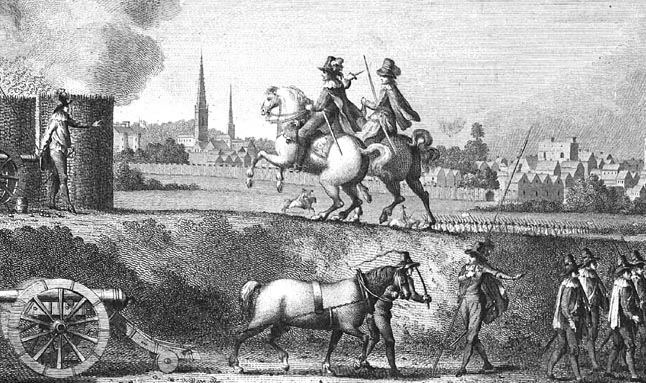
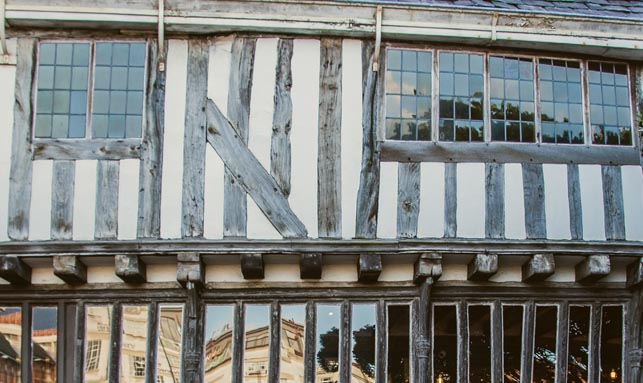
(1500 – 1700) The wool trade flourished in Leicester with one local, a former mayor named William Wigston, making his fortune. During the English Civil War a bloody battle was fought as the forces of King Charles I laid siege to the town.
Georgian Leicester
(1700 – 1837) The knitting industry had really stared to take hold and Leicester was fast becoming the main centre of hosiery manufacture in Britain. This new prosperity was reflected throughout the town with broader, paved streets lined with elegant brick buildings and genteel residences.
-
Great Meeting Unitarian Chapel1708
-
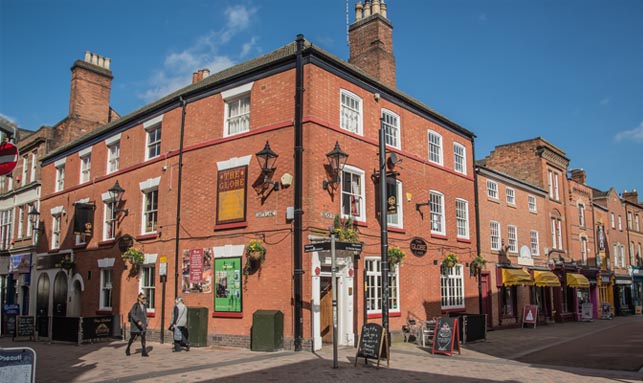
The Globe1720
-
17 Friar Lane1759
-
Black Annis1764
-
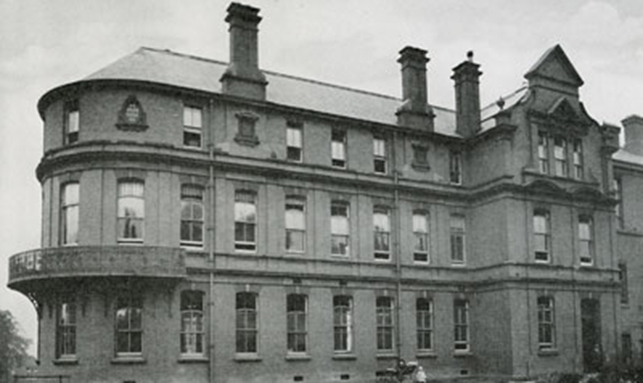
Leicester Royal Infirmary1771
-
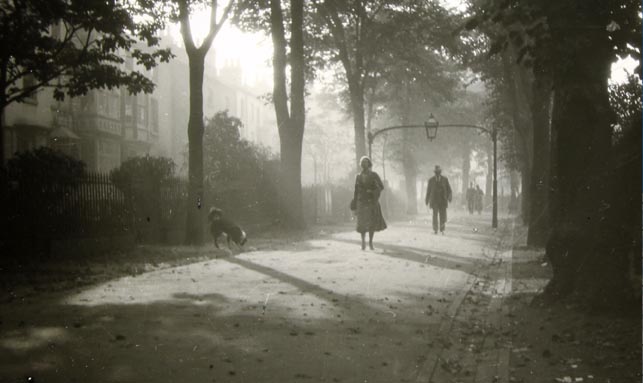
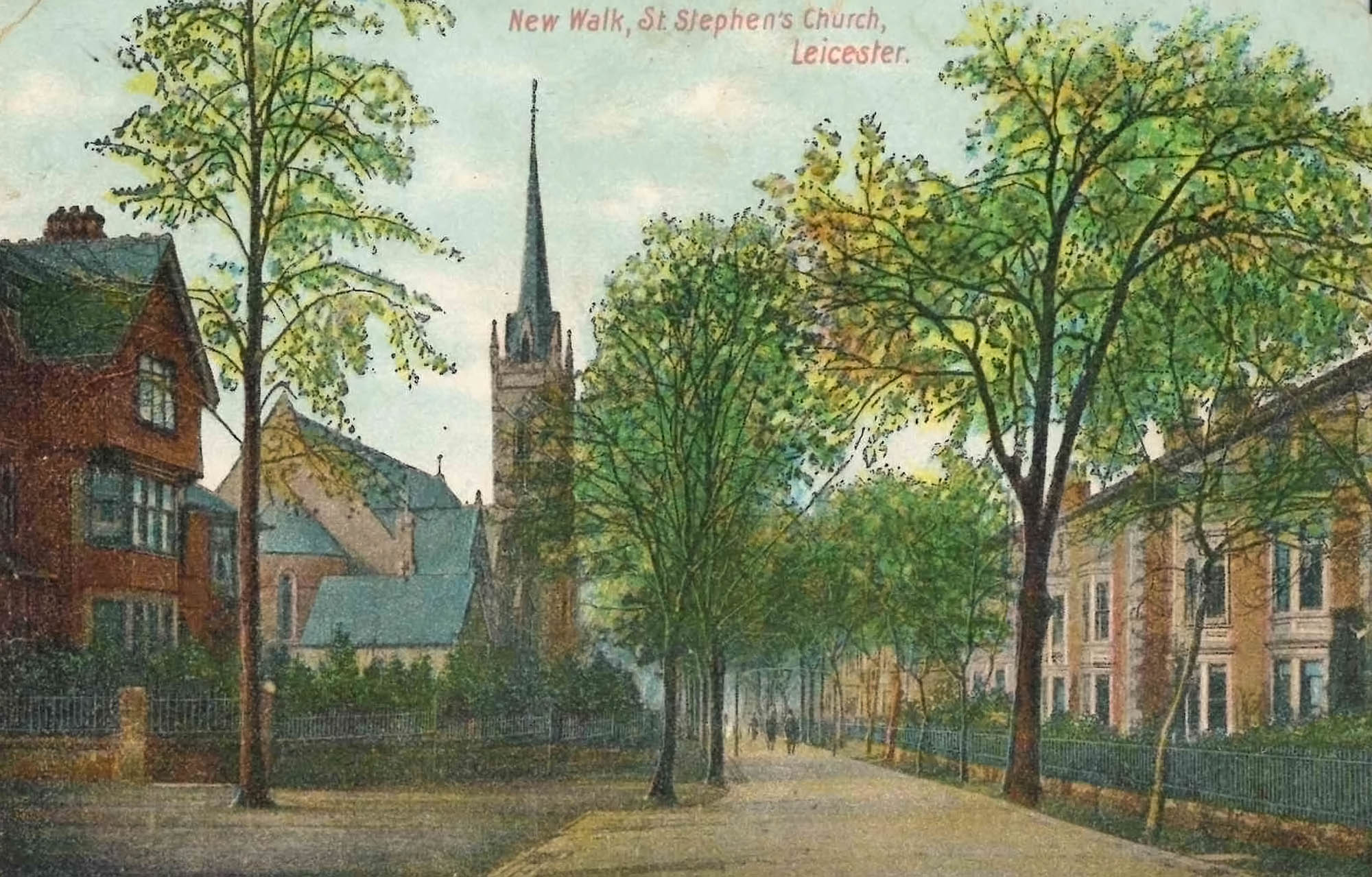
New Walk1785
-
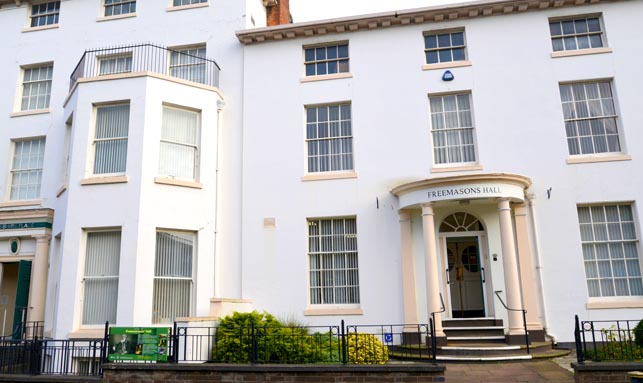
Freemasons’ Hall1790
-
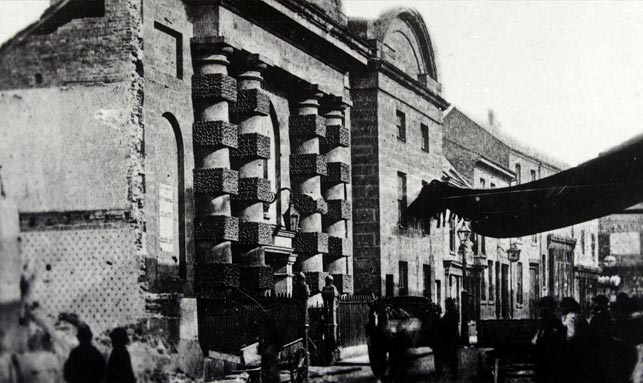
Gaols in the City1791
-
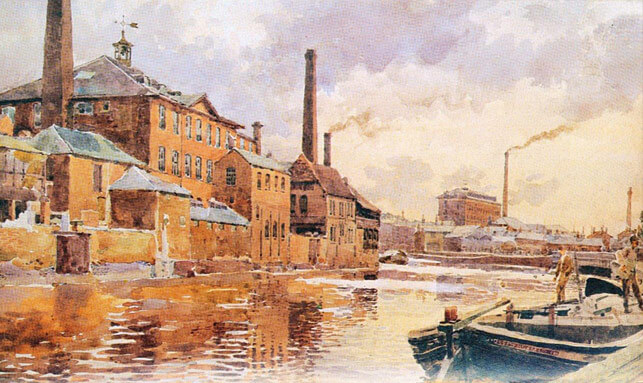
Friars Mill1794
-
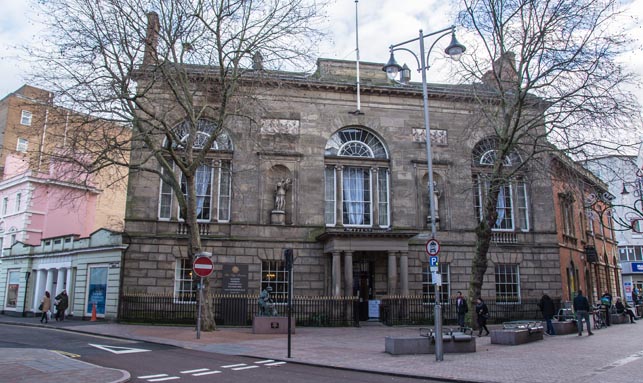
City Rooms1800
-
Development of Highfields1800
-
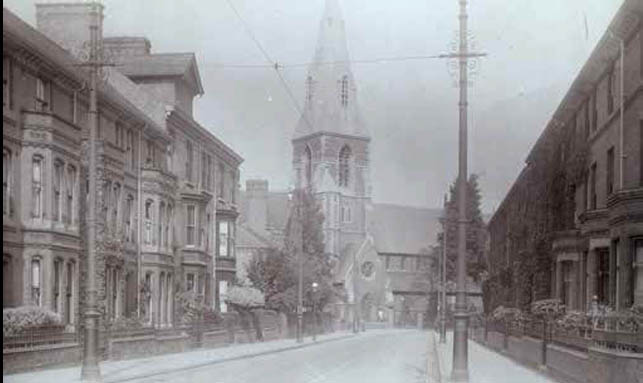
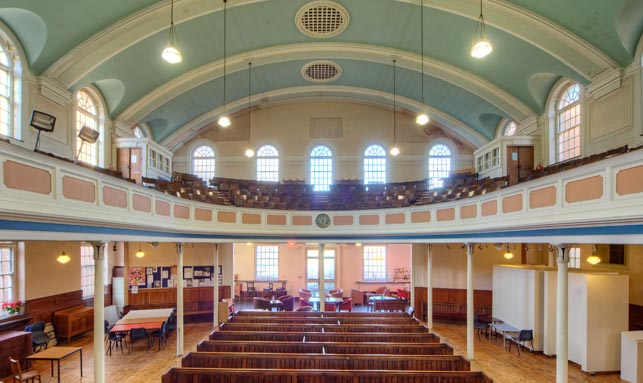
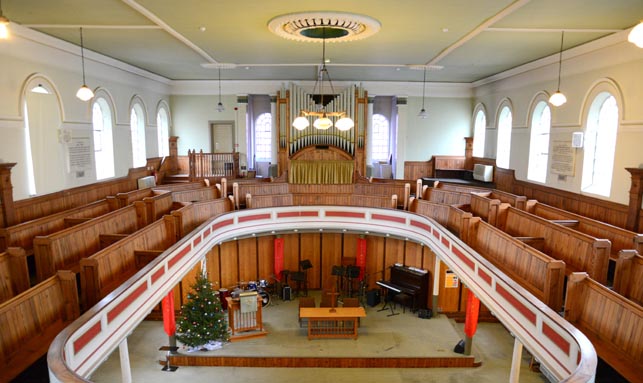
Wesleyan Chapel1815
-
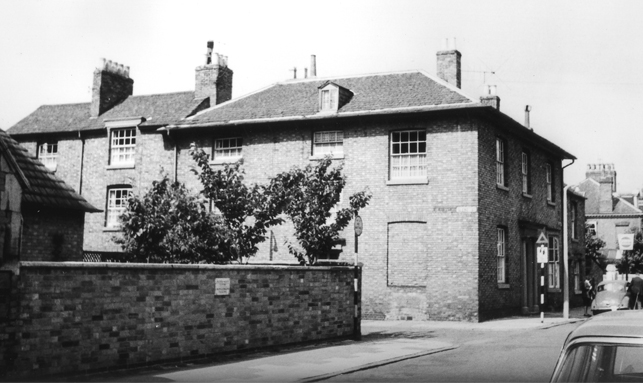
20 Glebe Street1820
-
Charles Street Baptist Chapel1830
-
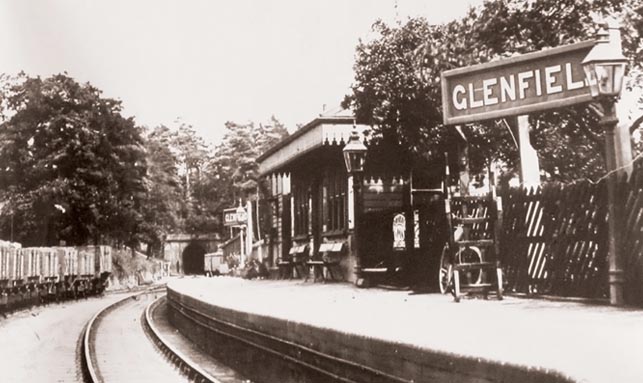
Glenfield Tunnel1832
-
James Cook1832

Victorian Leicester
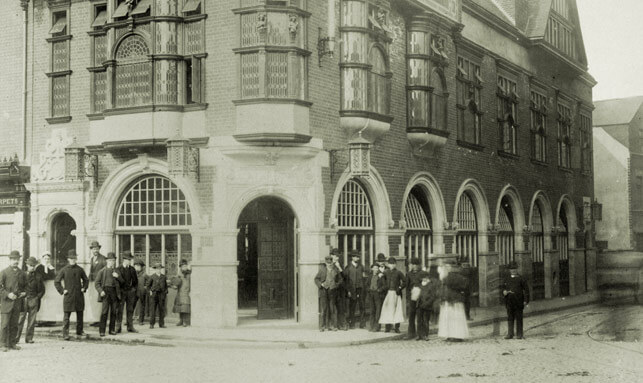
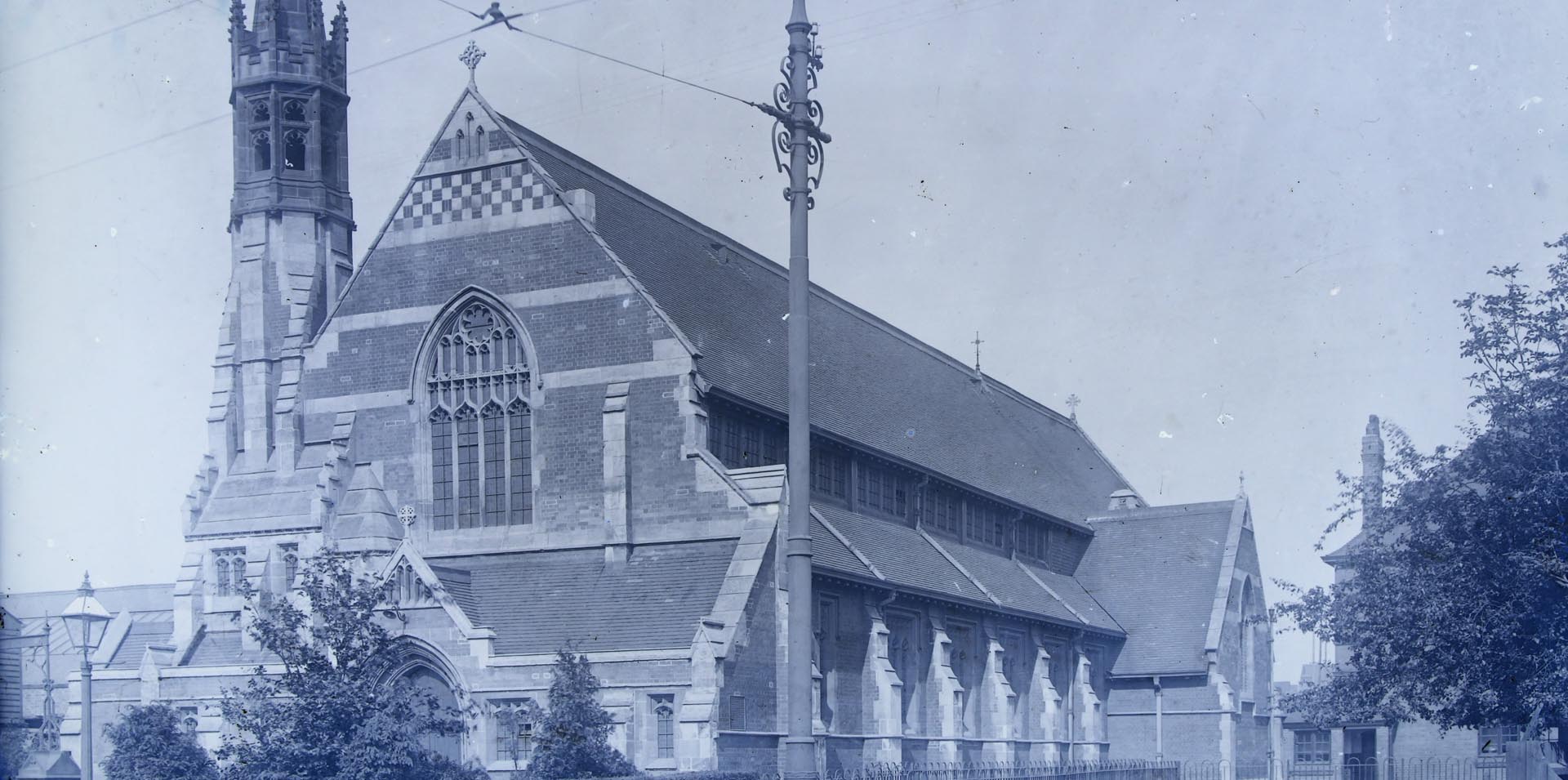
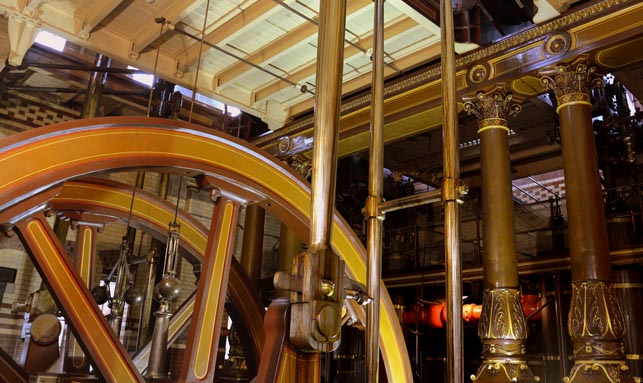
(1837 – 1901) The industrial revolution had a huge effect on Leicester resulting in the population growing from 40,000 to 212,000 during this period. Many of Leicester's most iconic buildings were erected during this time as wealthy Victorians made their mark on the town.
-
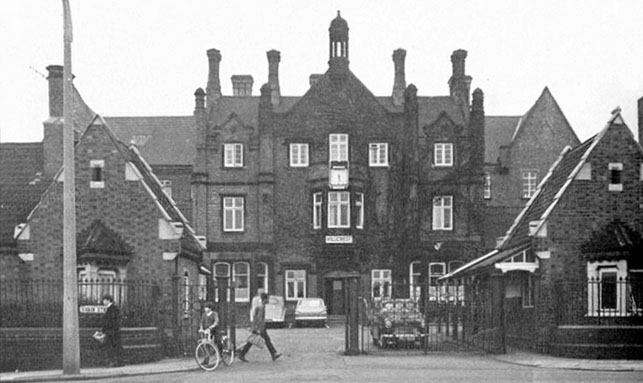
Leicester Union Workhouse1839
-
Campbell Street and London Road Railway Stations1840
-
The Vulcan Works1842
-
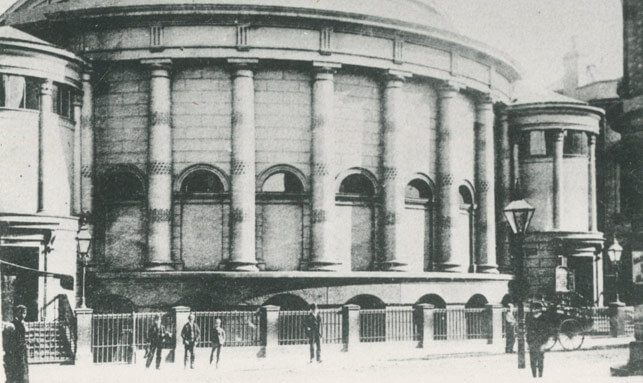
Belvoir Street Chapel1845
-
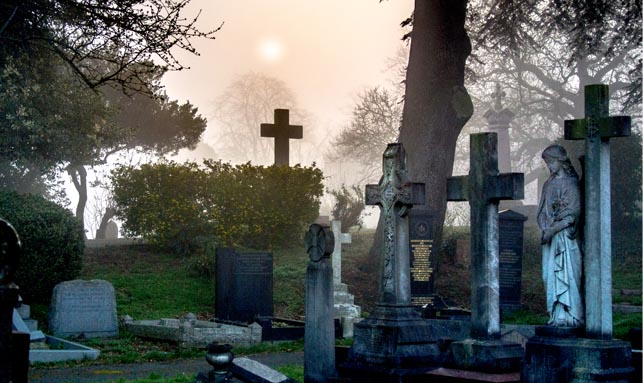
Welford Road Cemetery1849
-
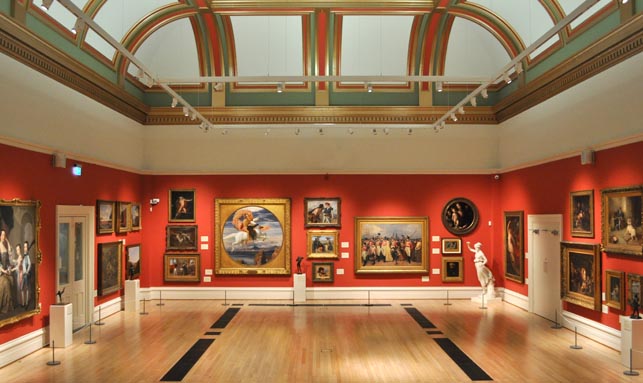
Leicester Museum & Art Gallery1849
-
King Street1850
-
Cook’s Temperance Hall & Hotel1853
-
Amos Sherriff1856
-
Weighbridge Toll Collector’s House1860
-
4 Belmont Villas1862
-
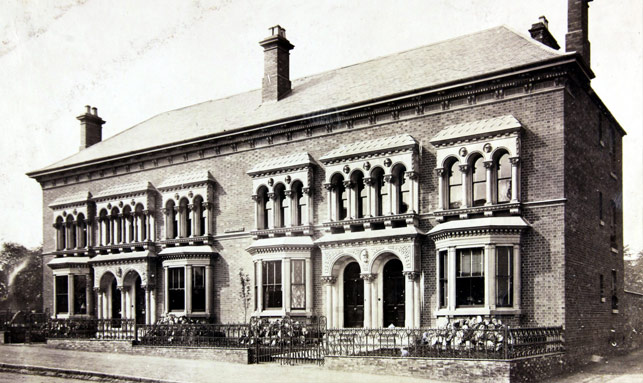
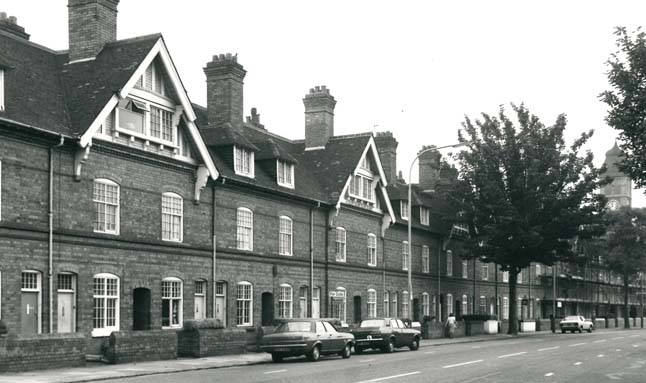
Top Hat Terrace1864
-
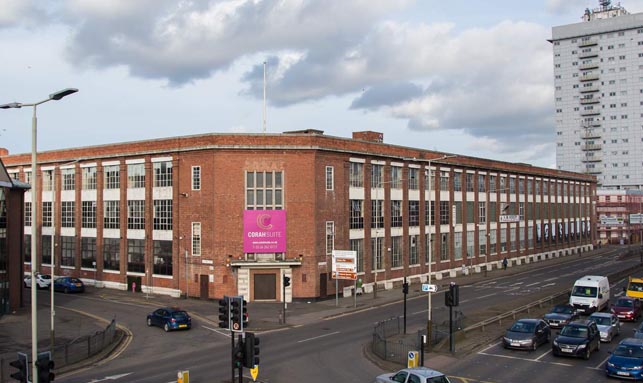
Corah & Sons - St Margaret's Works1865
-
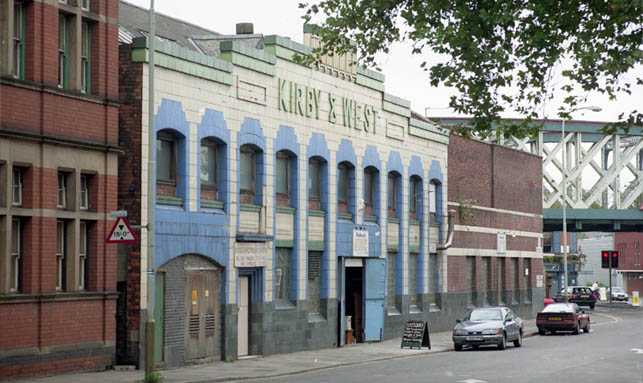
Kirby & West Dairy1865
-
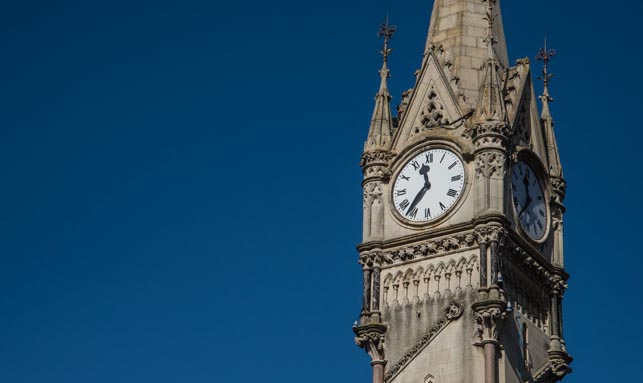
The Clock Tower1868
-
The Wimbledon Works1870
-
The Leicestershire Banking Company1871
-
St Mark’s Church and School1872
-
Victorian Turkish Baths1872
-
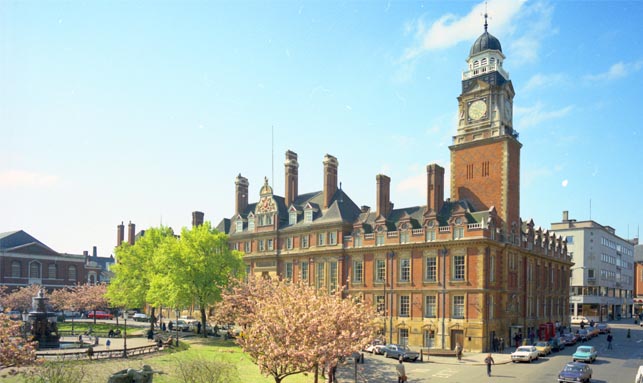
The Town Hall1876
-
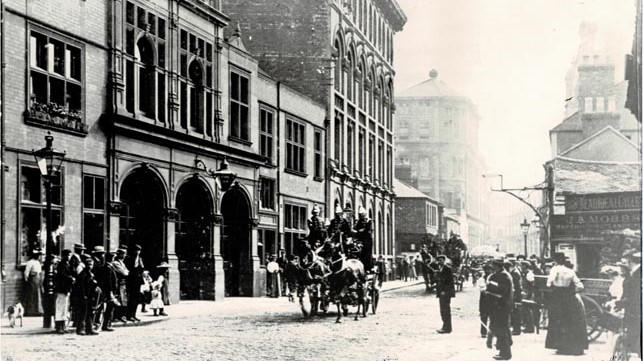
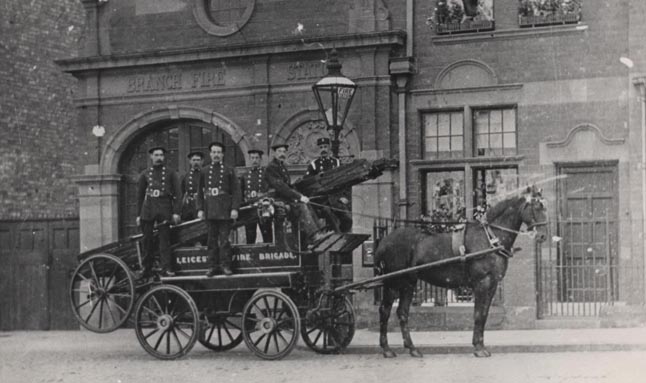
Leicester Central Fire Stations1876
-
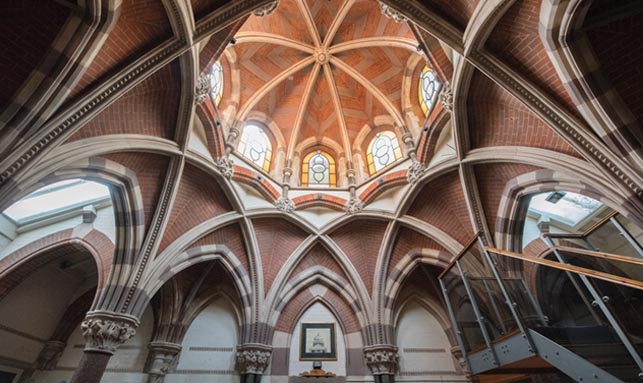
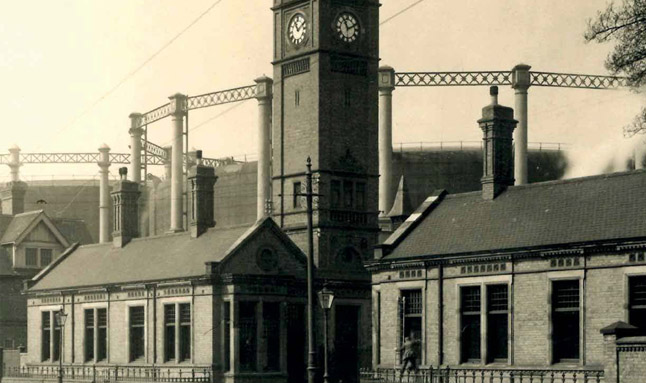
Aylestone Road Gas Works and Gas Museum1879
-
Aylestone Road Gas Works and Gas Museum1879
-
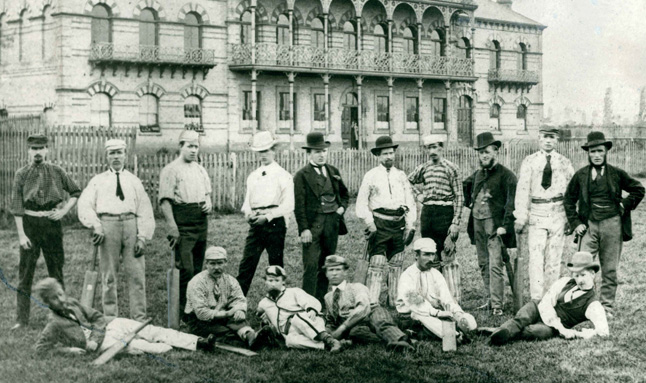
Leicestershire County Cricket Club1879
-
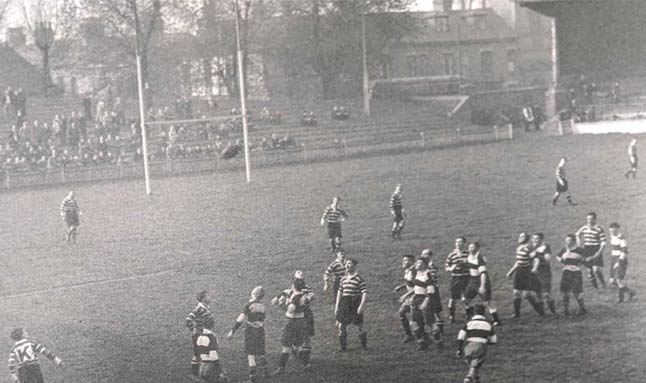
Welford Road Tigers Rugby Club1880
-
Secular Hall1881
-
Development of Highfields1800
-
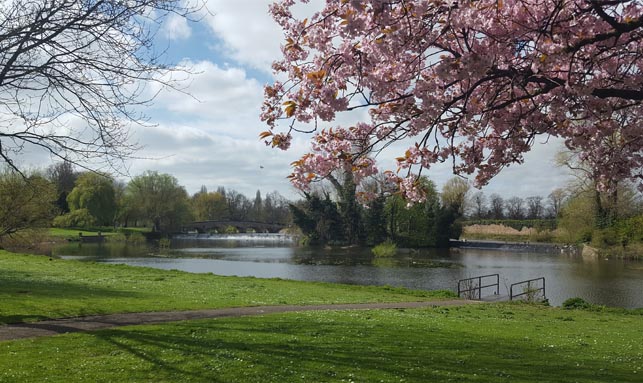
Abbey Park1881
-
Abbey Park Buildings1881
-
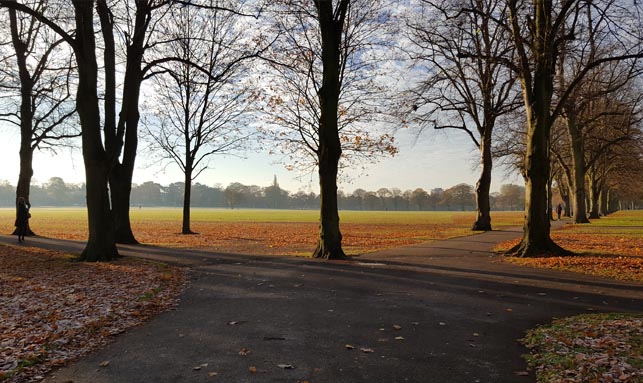
Victoria Park and Lutyens War Memorial1883
-
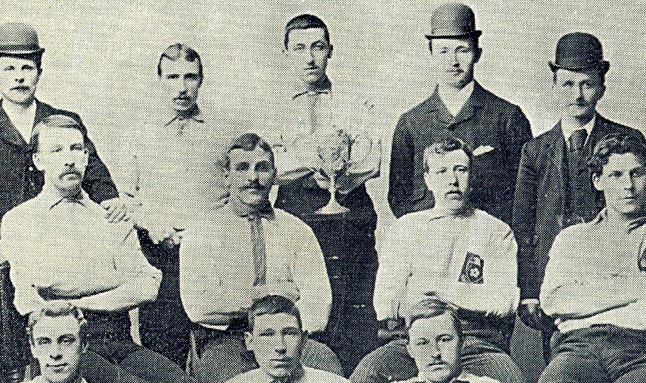
Leicester Fosse FC 18841884
-
Leicester Coffee and Cocoa Company Coffee Houses1885
-
St Barnabas Church and Vicarage1886
-
Abbey Pumping Station1891
-
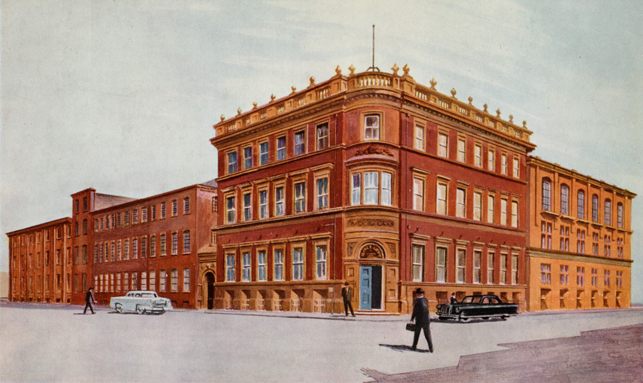
Luke Turner & Co. Ltd.1893
-
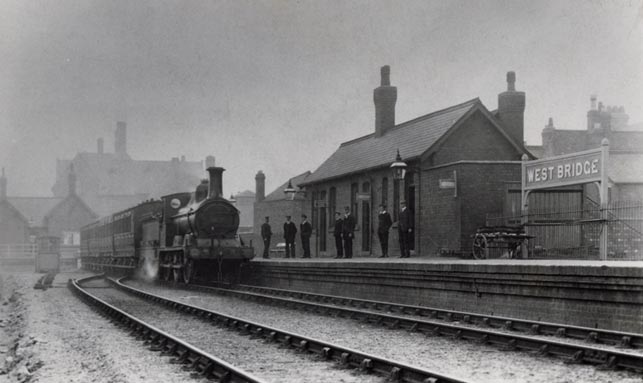
West Bridge Station1893
-
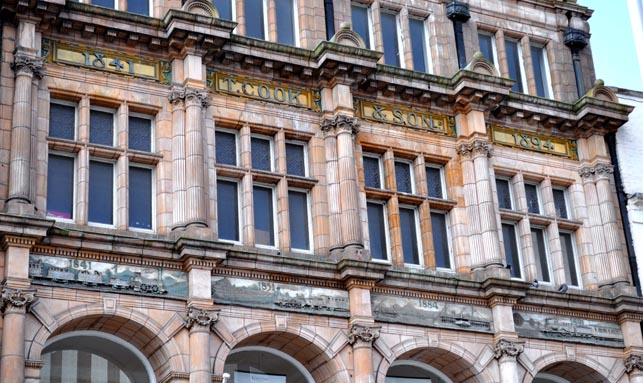
Thomas Cook Building1894
-
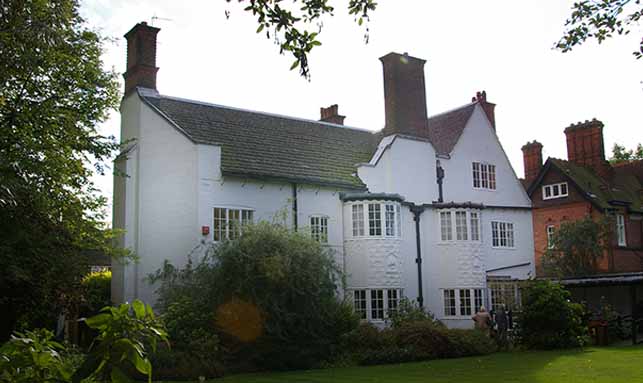
The White House1896
-
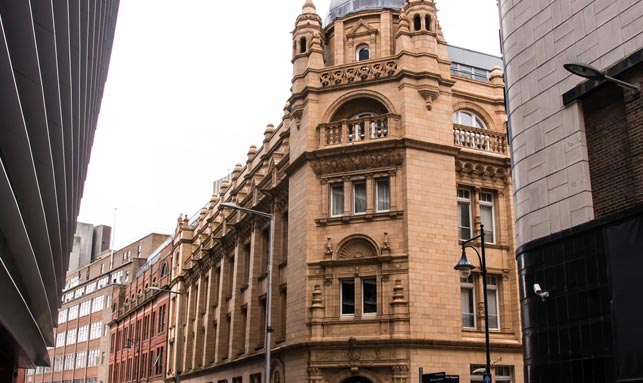
Alexandra House and Faire Bros. & Co. Ltd1897
-
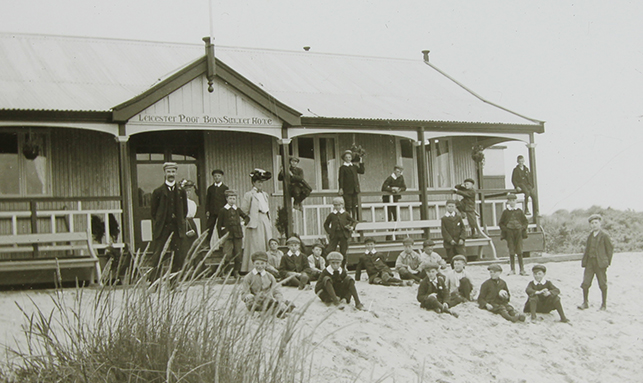
Leicester Boys Club1897
-
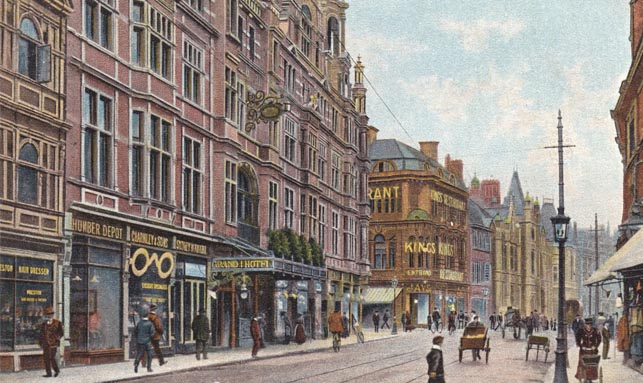
Grand Hotel and General Newsroom1898
-
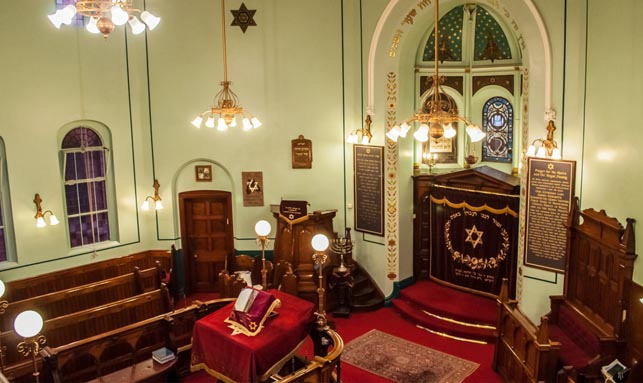
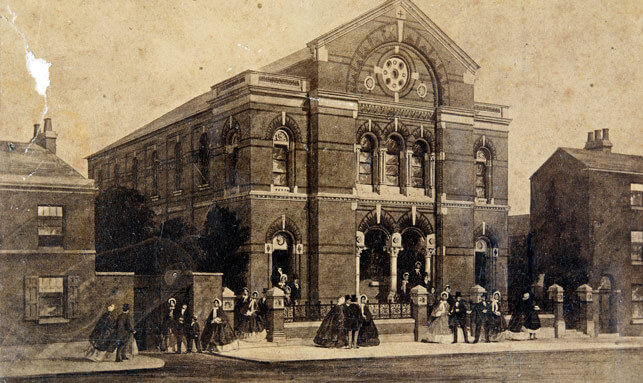
Highfield Street Synagogue1898
-
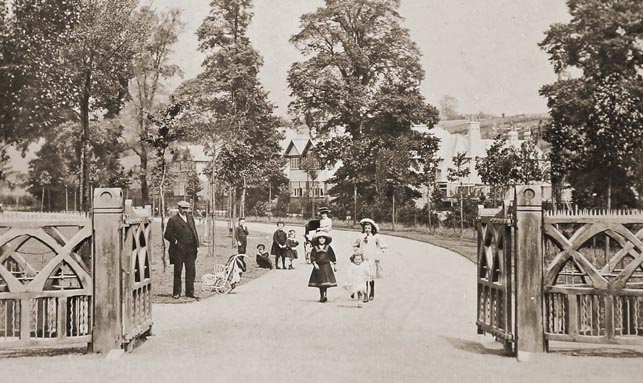
Western Park1899
-
Asfordby Police Station1899
-
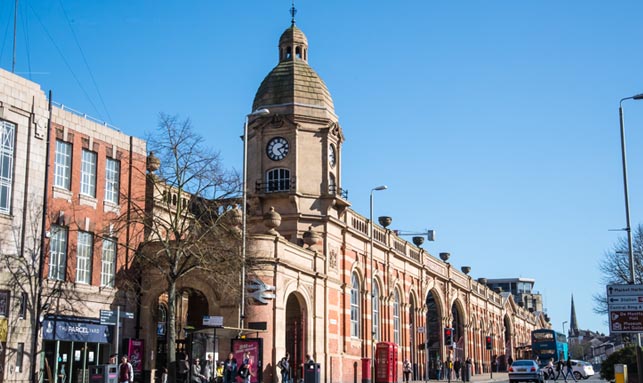
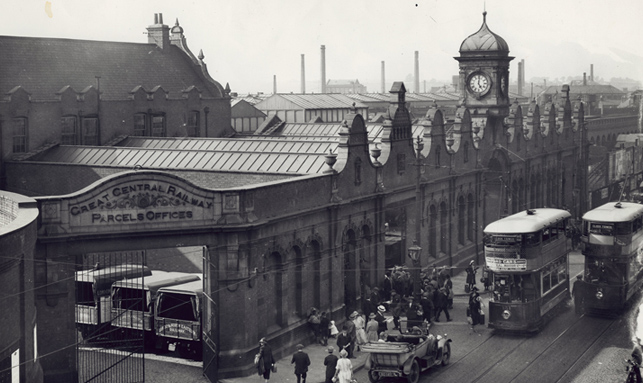
Leicester Central Railway Station1899
Edwardian Leicester
(1901 – 1910) Electric trams came to the streets of Leicester and increased literacy among the citizens led to many becoming politicised. The famous 1905 ‘March of the Unemployed to London’ left from Leicester market when 30,000 people came to witness the historic event.
-
YMCA Building1900
-
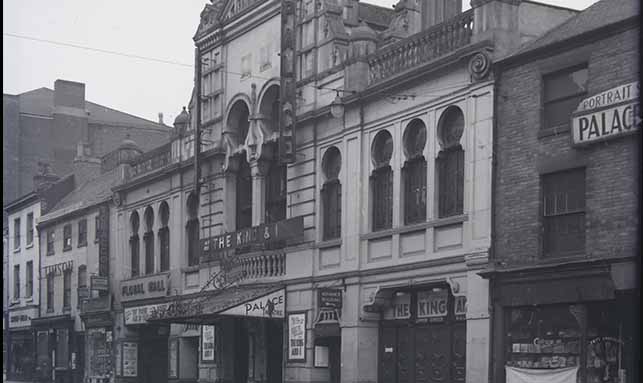
Palace Theatre1901
-
Pares's Bank1901
-
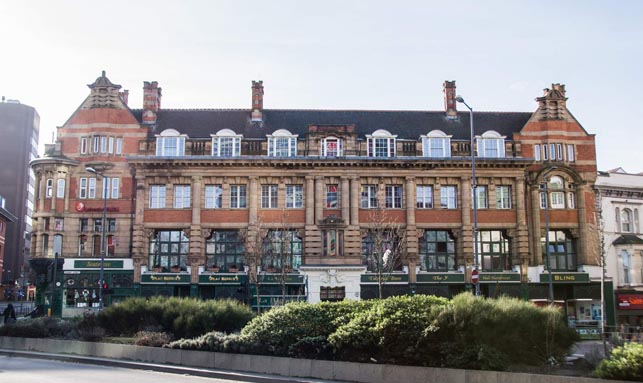
Coronation Buildings1902
-
Halfords1902
-
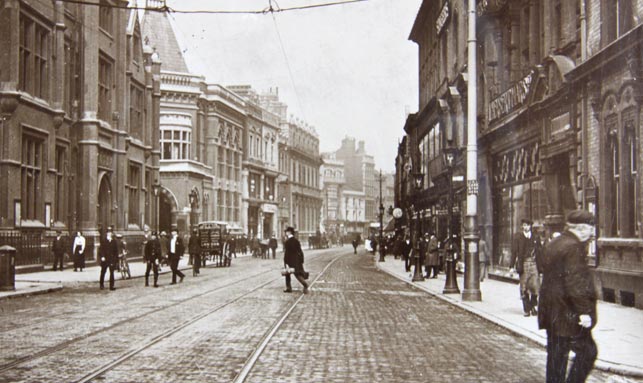
High Street1904
-
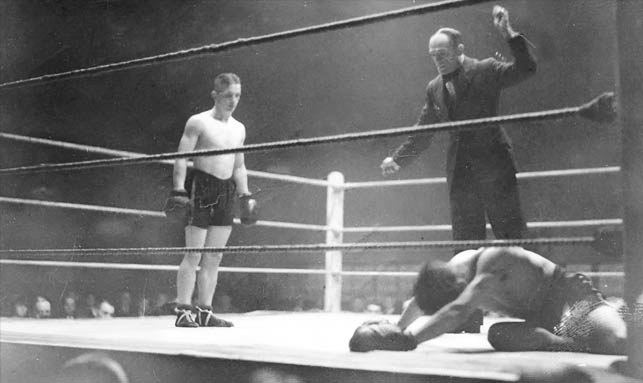
George Biddles and Leicester's Boxing Heritage1904
-
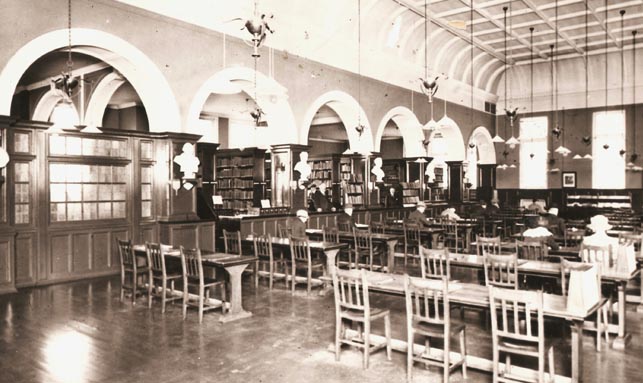
Municipal Library1905
-
Leicester Boys Club1897
-
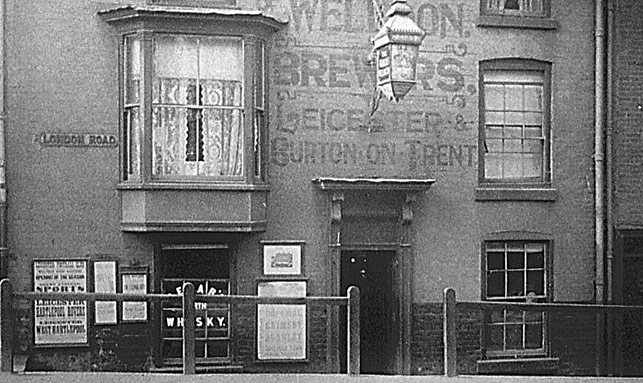
The Marquis Wellington1907
-
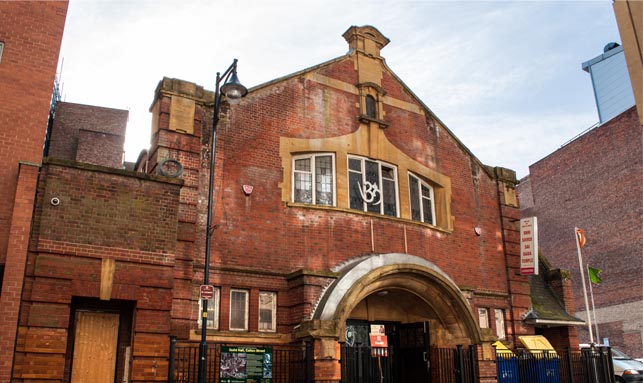
Guild Hall Colton Street1909
-
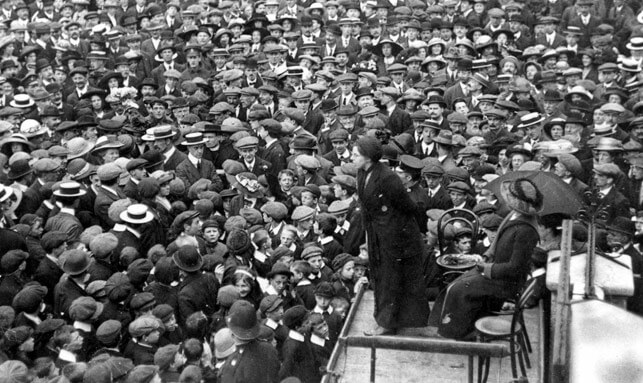
Women's Social and Political Union Shop1910
-
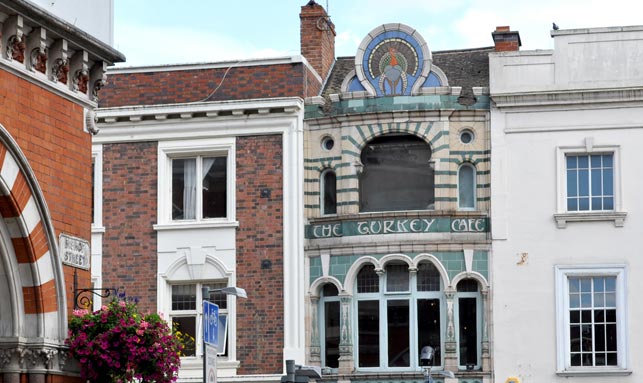
Turkey Café1901
Early 20th Century Leicester
(1910 – 1973) The diverse industrial base meant Leicester was able to cope with the economic challenges of the 1920s and 1930s. New light engineering businesses, such as typewriter and scientific instrument making, complemented the more traditional industries of hosiery and footwear manufacturing.
-
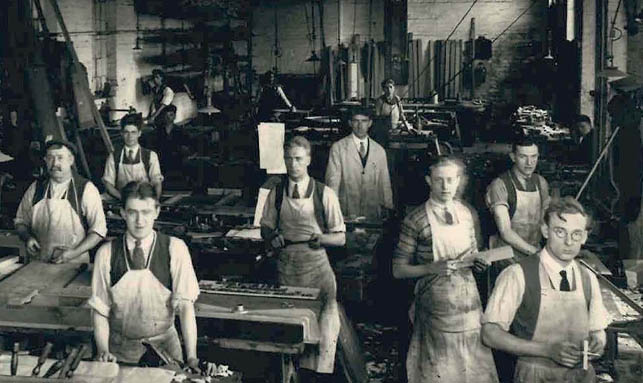
Dryad Handicrafts1912
-
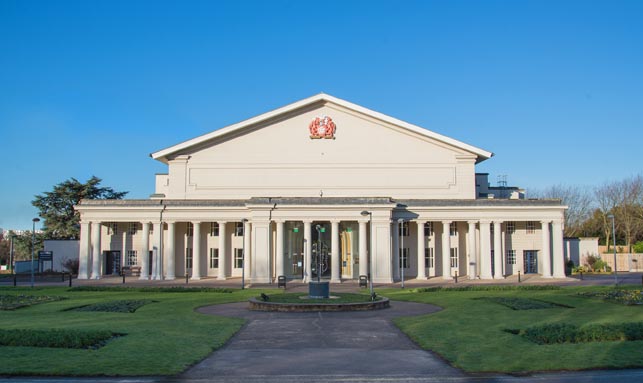
De Montfort Hall1913
-
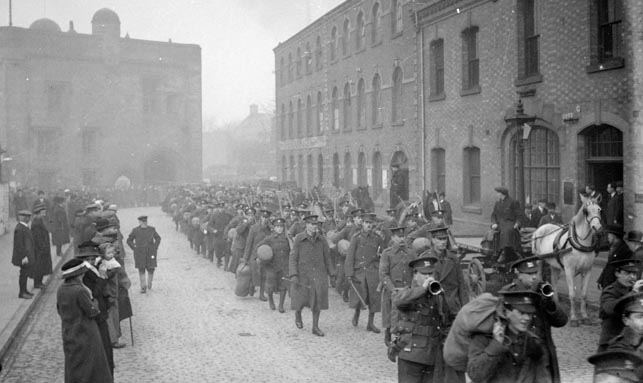
Leicester During the First World War1914
-
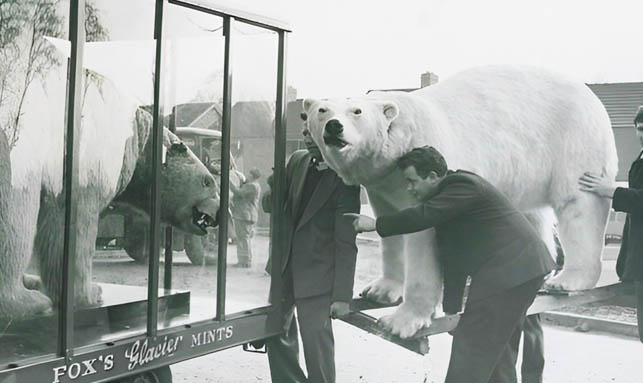
Fox’s Glacier Mints1918
-
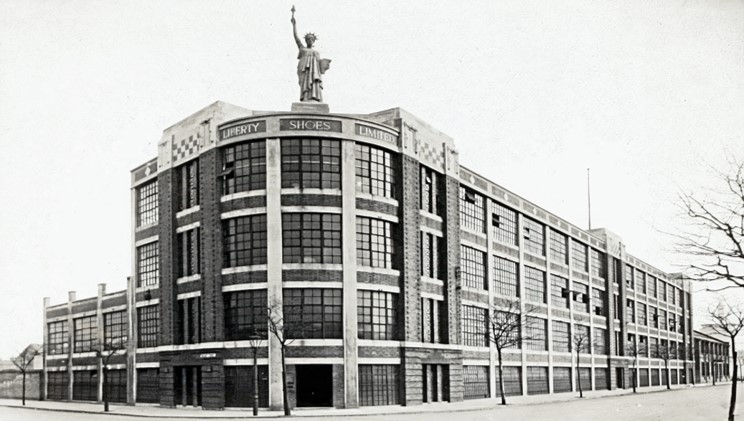
Statue of Liberty1919
-
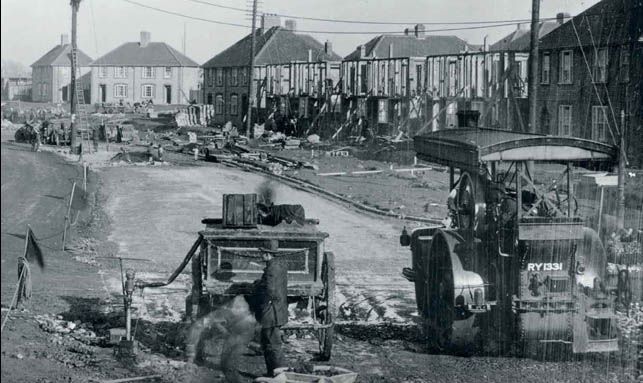
Housing in Saffron Lane1924
-
Winstanley House1925
-
Housing in North Braunstone1926
-
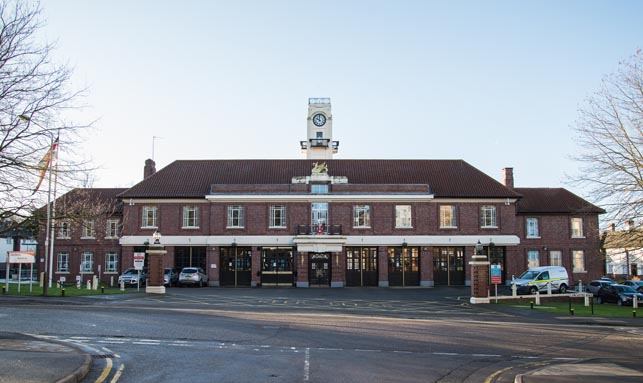
Lancaster Road Fire Station1927
-
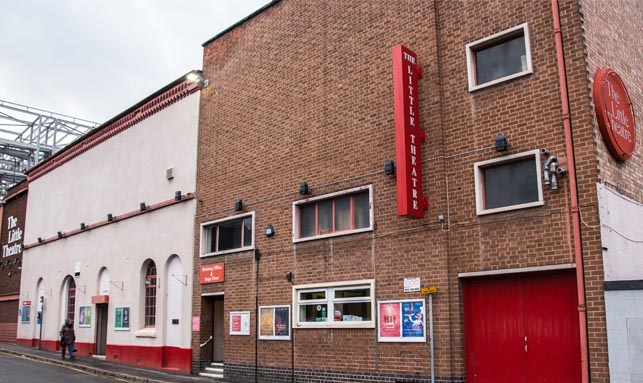
The Little Theatre1930
-
Saffron Hill Cemetery1931
-
Braunstone Hall1932
-
Former City Police Headquarters1933
-
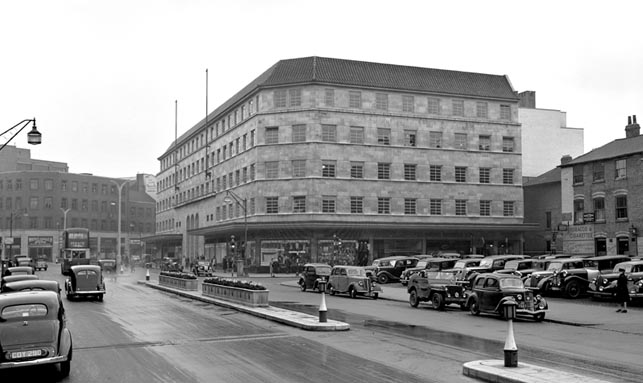
Savoy Cinema1937
-
Eliane Sophie Plewman1937
-
City Hall1938
-
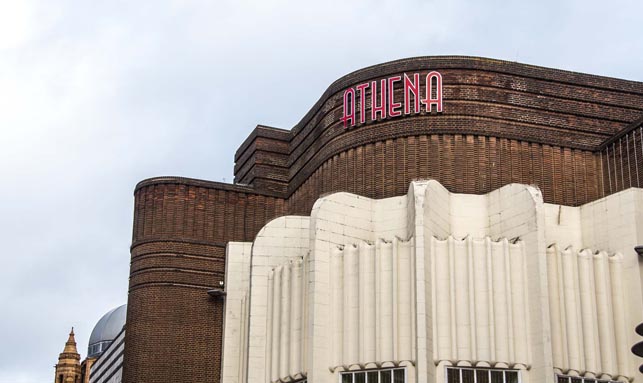
Athena - The Odeon Cinema1938
-
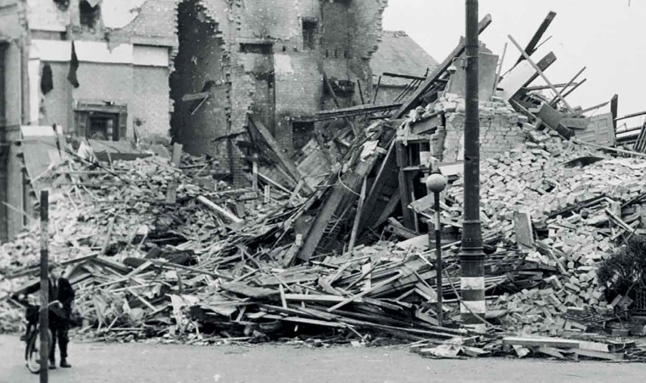
The Blitz in Highfields1940
-
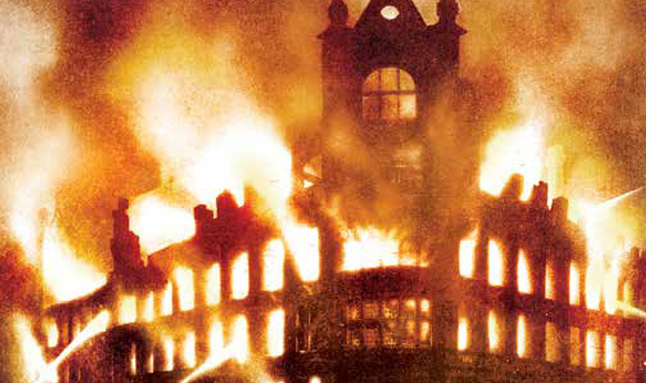
Freeman Hardy and Willis in the Blitz1940
-
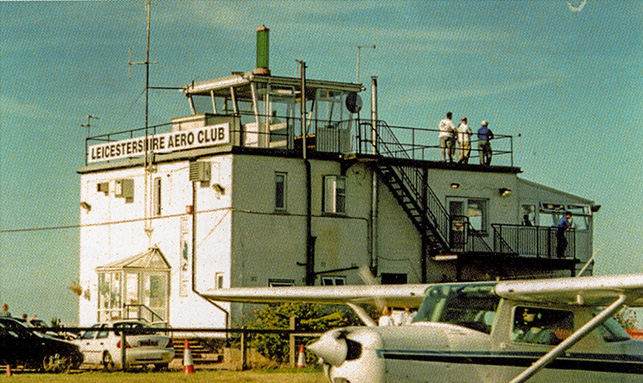
Leicester Airport1942
-
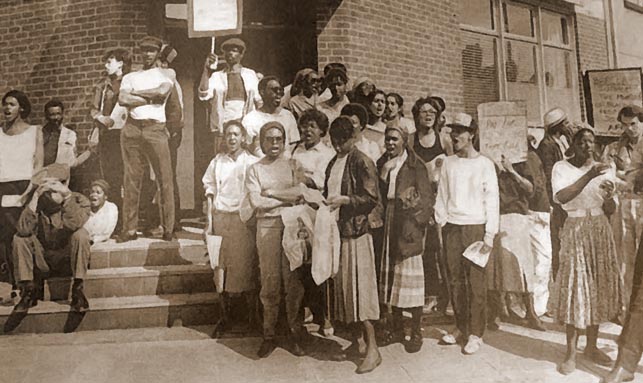
Leicester’s Windrush Generations1948
-
Netherhall1950
-
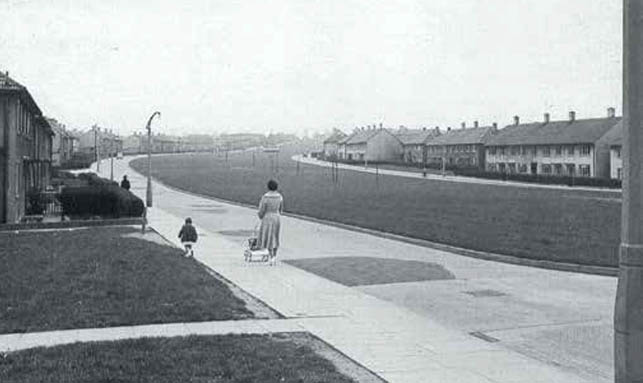
Housing at Eyres Monsell1951
-
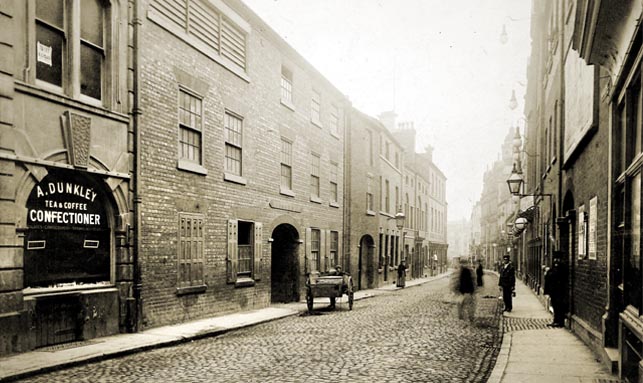
Silver Street and The Lanes1960
-
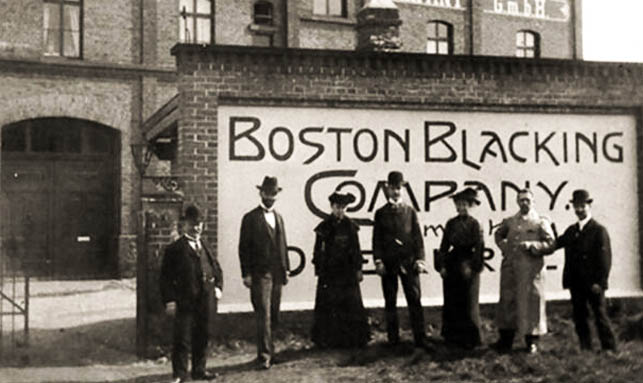
Bostik1960
-
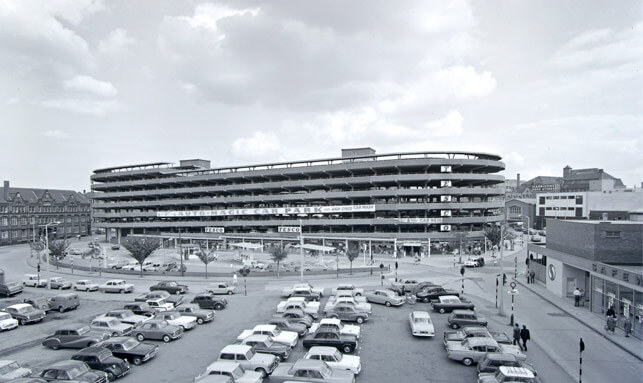
Auto-Magic Car Park (Lee Circle)1961
-
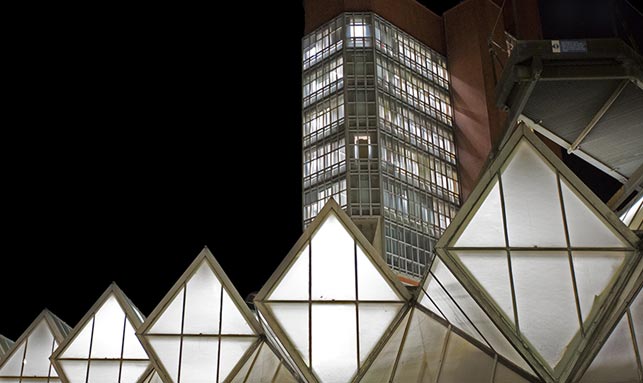
University of Leicester Engineering Building1963
-
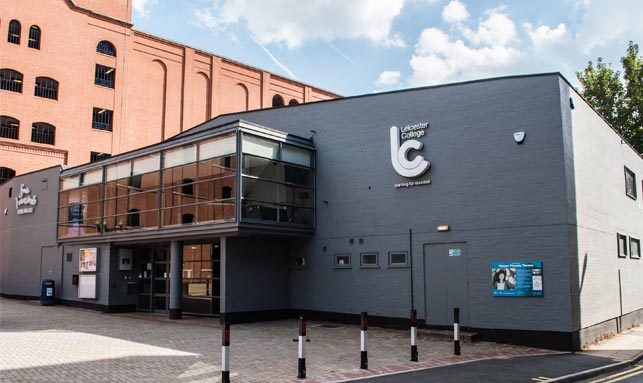
Sue Townsend Theatre1963
-
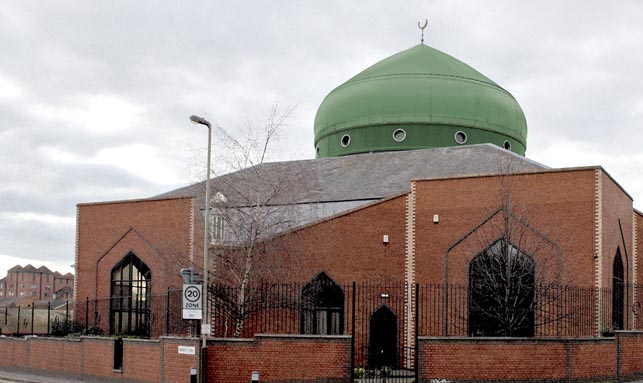
Central Mosque1968
-
Belgrave Flyover1973
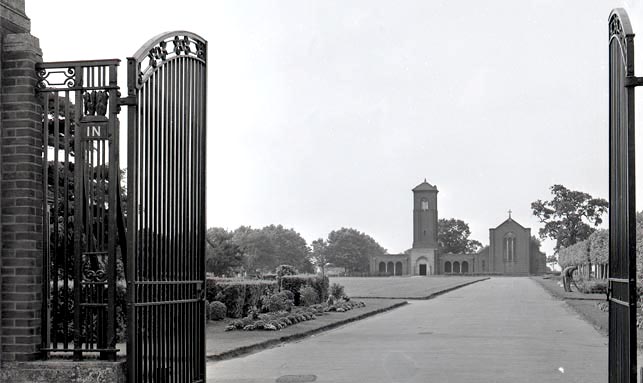
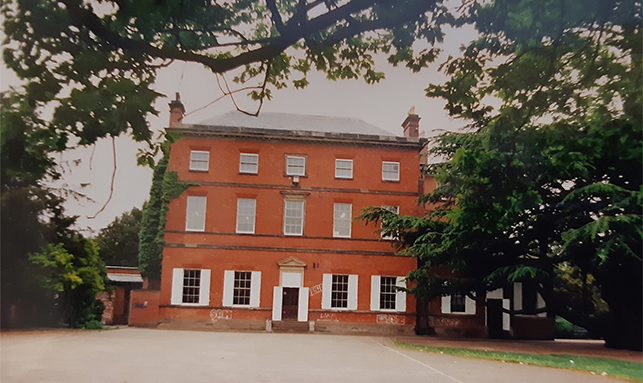
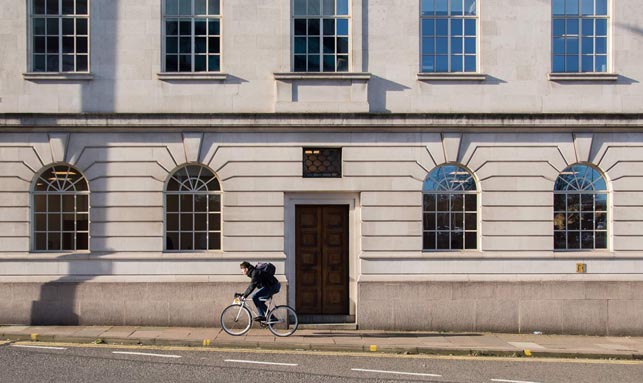
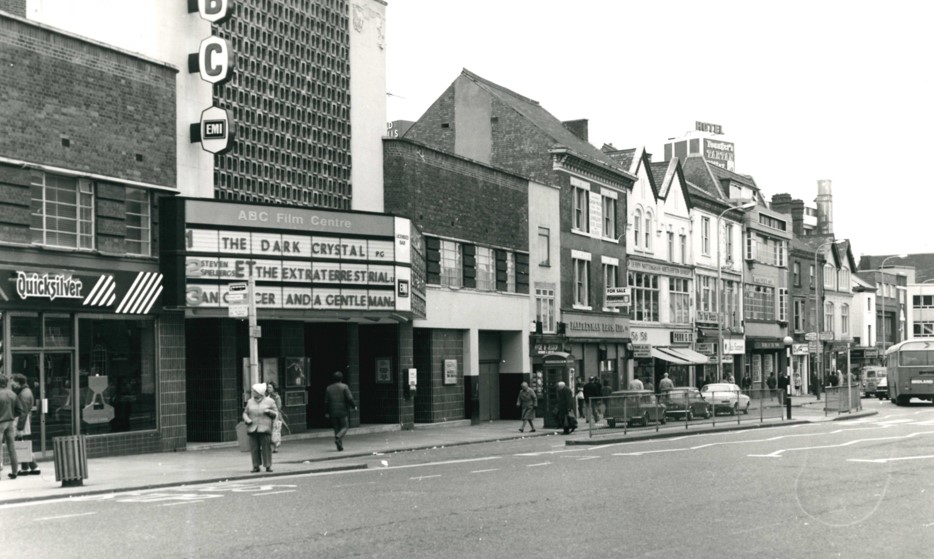

Modern Leicester
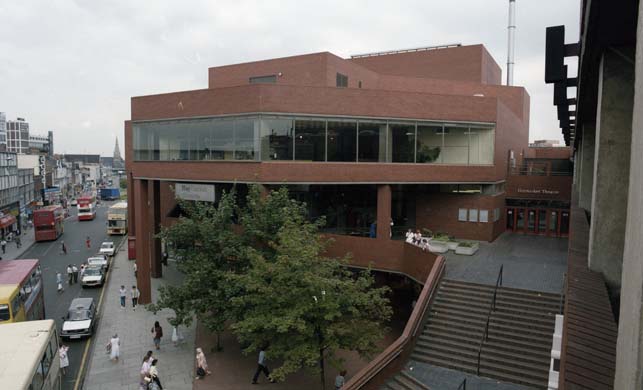
(1973 – present day) Industry was still thriving in the city during the 1970s, with the work opportunities attracting many immigrants from all over the world. While industry has declined in recent years, excellent transport links have made Leicester an attractive centre for many businesses. The City now has much to be proud of including its sporting achievements and the richness of its cultural heritage and diversity.
-
Haymarket Theatre1973
-
The Golden Mile1974
-
Acting Up Against AIDS1976
-
Belgrave Neighbourhood Centre1977
-
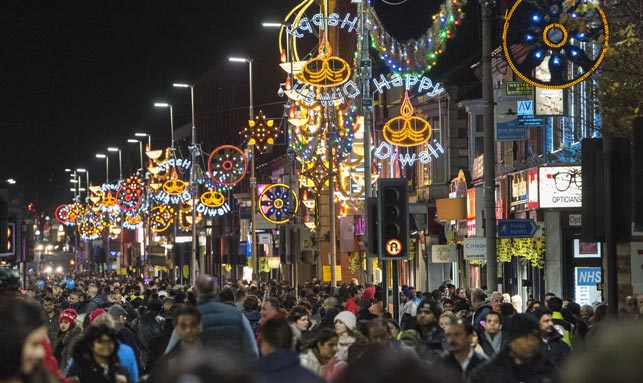
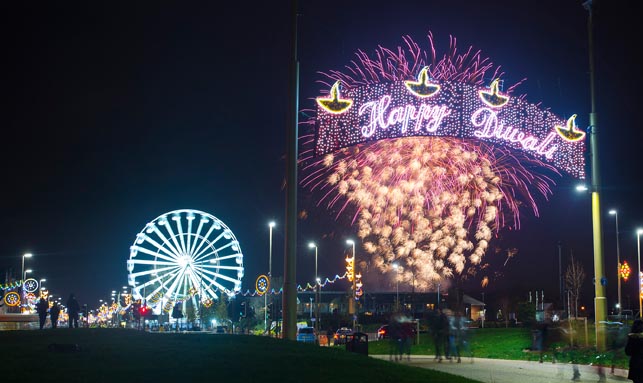
Diwali in Leicester1983
-
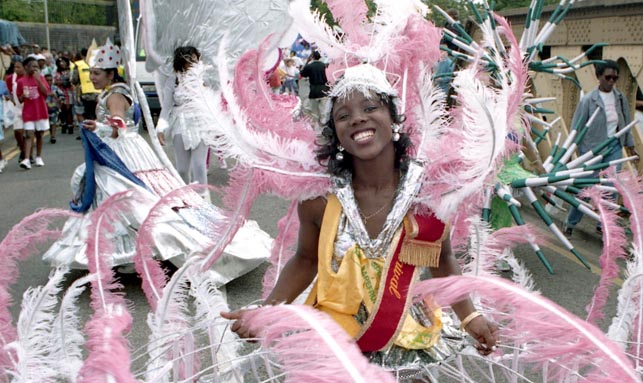
Leicester Caribbean Carnival1985
-
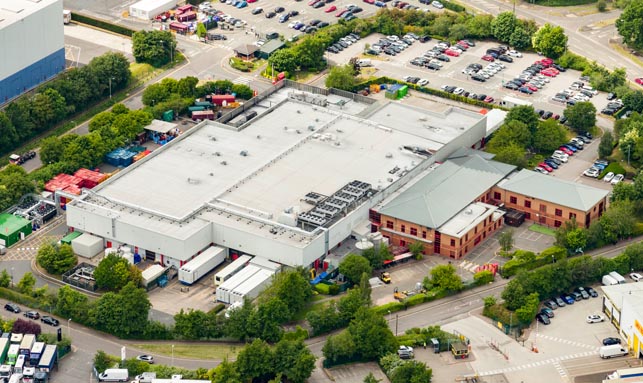
Samworth Brothers1986
-
Jain Centre1988
-
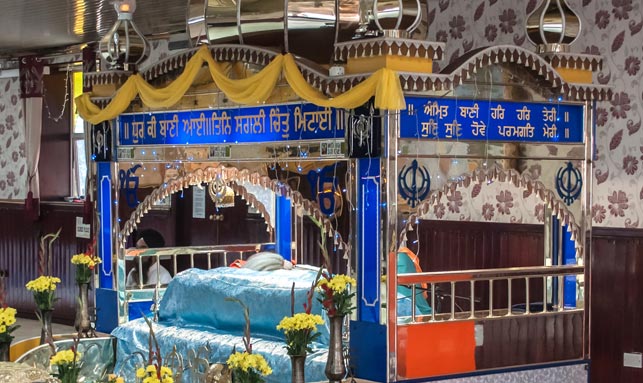
Guru Nanak Dev Ji Gurdwara1989
-
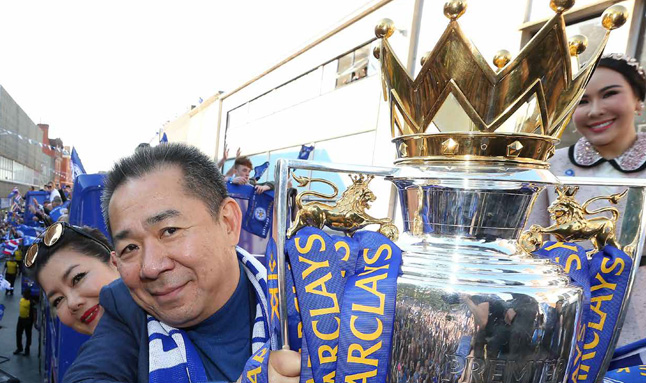
King Power Stadium2002
-
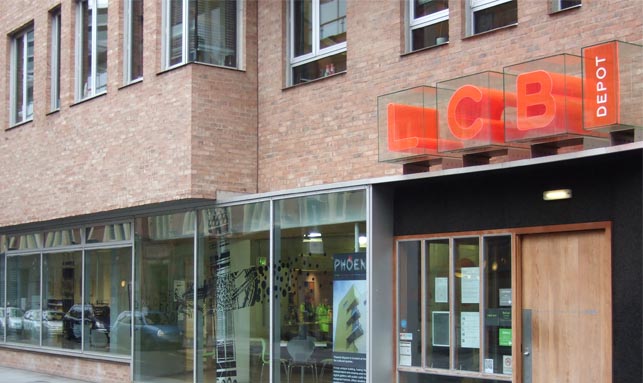
LCB Depot2004
-
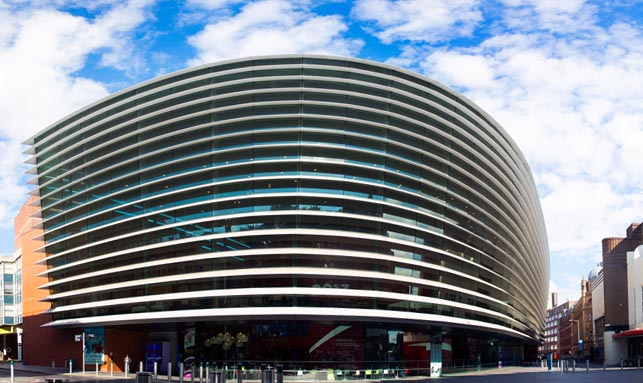
Curve2008
-
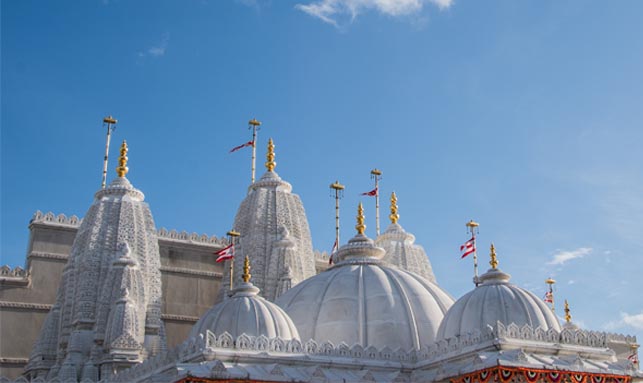
BAPS Shri Swaminarayan Mandir2011
-
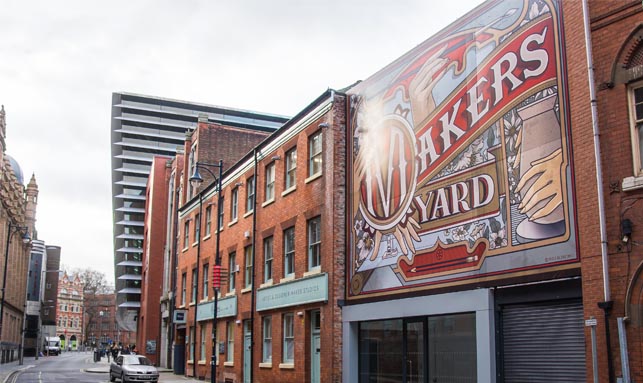
Makers Yard2012
-
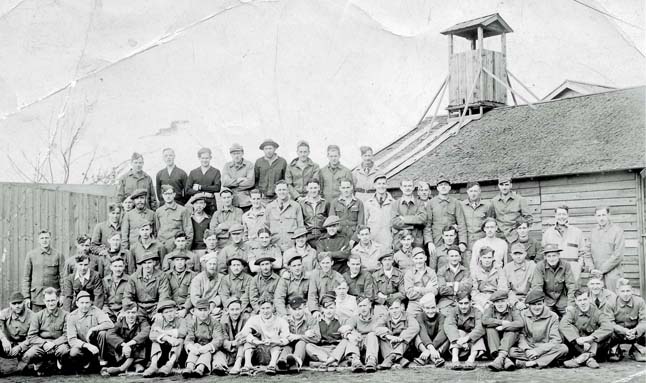
VJ Day 80th2020

- Roman Leicester
- Medieval Leicester
- Tudor & Stuart Leicester
- Georgian Leicester
- Victorian Leicester
- Edwardian Leicester
- Early 20th Century Leicester
- Modern Leicester
Continue exploring
Civic Affairs

Your ultimate guide to the city